Identity & origin
BOTANICAL IDENTITY
The right name is the first step.
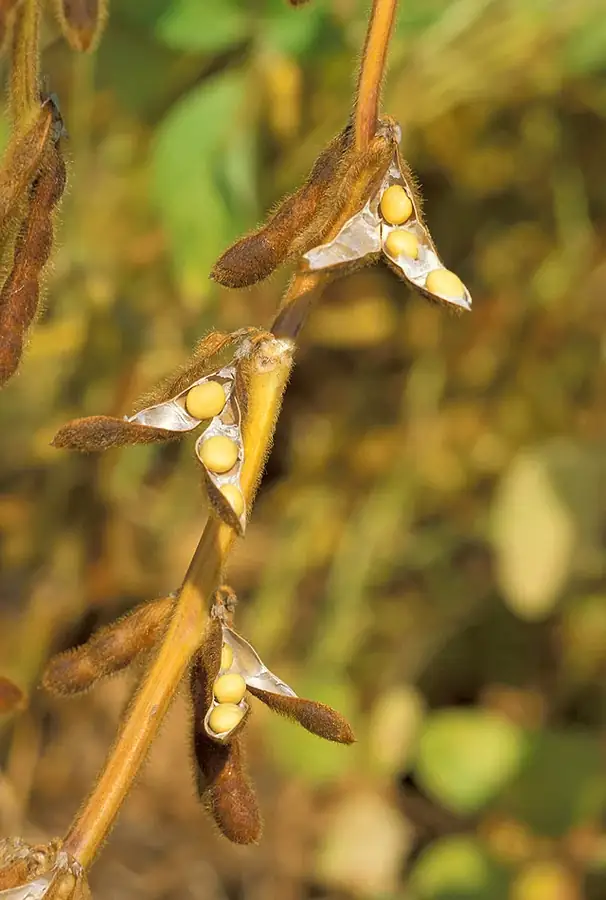
This entry concerns lecithin derived from the seeds. The uses described depend on the preparation.
Also known as: No synonyms listed.
Lecithin, refined oil and isoflavone extracts are different preparations.
An illustration is not enough to identify a plant for consumption. Do not forage for a species based solely on this profile.
Uses & evidence
UNDERSTANDING THE USES
Properties & uses.
Temporary fatigue
Traditional use of soy lecithin. This does not validate all seeds, oils or isoflavones.
Use considered plausible in a traditional-use monograph. That status alone does not demonstrate clinical efficacy.
Read the sourceThe traditional uses described are not clinical proof of effectiveness. Evidence for one preparation cannot automatically be applied to another.
Precautions before use
BEFORE ANY USE
Precautions & contraindications.
This guidance does not cover every individual situation. Missing information is not a guarantee of safety.
Contraindications & precautions
- Source-listed contraindicationMedicinal lecithin is contraindicated with allergy to soya, peanut, other Fabaceae or birch pollen.Source
Medicine interactions
- Insufficient dataInteractions are insufficiently documented in the sources re-read. Ask a pharmacist to check the preparation against current medicines.Source
Other retained warnings · review incomplete
These existing warnings remain relevant to consult. Their exhaustive reassessment is outside this targeted review.
Restrictions and precautions
- Medicinal lecithin is contraindicated with allergy to soya, peanut, other Fabaceae or birch pollen.
Medicine interactions
- No established interaction is included in this entry; this does not guarantee compatibility with a treatment.
Pregnancy, breastfeeding and children
Pregnancy and breastfeeding: medicinal use is not recommended because of insufficient data.
Lecithin: from 12 years according to the leaflet; do not extrapolate to other preparations.
“Reported” does not prove causality; “possible” may reflect indirect evidence. “None reported” means none in the cited source, not that all combinations have been studied. Do not stop a prescribed treatment based on this profile.
Adverse effects
- Adverse effects insufficiently documented in the sources used here.
Pregnancy & breastfeeding
Insufficient data: medicinal use is not recommended during pregnancy or breastfeeding. This data gap is distinct from an established contraindication.
SourceChildren & adolescents
Medicinal use is not recommended below 12 years because data are insufficient; adult preparations and doses cannot be extrapolated.
SourceIf symptoms persist, worsen or are unusual, consult a healthcare professional. In an emergency, contact the emergency services.
Forms & how they are used
DOCUMENTED FORMS
One plant, several preparations.
Only forms documented in this profile’s sources are presented.
LecithinLecithin derived from seeds · Route: oral
Defined solid or liquid preparations; not a seed infusion.
Please note: Follow the product's package leaflet; preparations are not interchangeable.
Read the sourceUnderstanding the plant’s actions
EXPLORE THE EVIDENCE
How does the plant act?
Soy encompasses very different preparations. Medicinal lecithin is a phospholipid fraction obtained from the seeds, not an herbal tea, soy protein or isoflavone extract. The European use presented here is traditional, for temporary fatigue and feelings of weakness. The diversity of products explains why results for a soy food or compound must not be combined as if they established the same therapeutic action.
Constituents to know.
Their presence and quantity depend on the plant part and preparation.
- Phospholipids
- Lecithin includes phosphatidylcholine, phosphatidylethanolamine and phosphatidylinositol. Their proportions vary with purification and enrichment.Read the reference
Temporary fatigue
The dossier recognizes long-standing use of lecithin, without demonstrating that all soy products increase energy or correct persistent fatigue.
Use considered plausible in a traditional-use monograph. That status alone does not demonstrate clinical efficacy.
Read the referenceDistinction from isoflavones
An isoflavone-rich extract and lecithin have different compositions. Arguments about menopause do not constitute evidence for lecithin.
The references do not establish a benefit. Lack of evidence is not assurance of safety.
Read the referenceWhat this means for preparation.
Identify “lecithin” and its exact composition before comparing two products. Soy and peanut allergies remain a decisive consideration; processing does not guarantee their absence.
Studies, findings & limitations
THE RESEARCH
What the research shows.
A laboratory or animal result alone does not demonstrate a benefit in humans. Each result must be read alongside the preparation studied and its limitations.
An issue of product comparability
The references do not establish a benefit. Lack of evidence is not assurance of safety.
- Type of research
- EMA assessment report on soy lecithin.
- Preparation concerned
- De-oiled phospholipids, with different degrees of purification.
- Observed results
- The report distinguishes foods, proteins, isoflavones, oils and lecithins, whose composition depends on the manufacturing process.
- Limitations to consider
- Only sufficiently described preparations can be interpreted; a study on “soy” without further details is insufficient.
What can we take from this?
This entry does not demonstrate treatment of menopause, hormonal action or memory improvement by lecithin. Refined oil for external use has a separate dossier.
Documentary review dated 09/10/2026. The references remain available to check the context.
Sources & last review
CHECKING REFERENCES
Sources for this profile.
- EMA — Lecithinum ex soya, résumé public reluAccessed on 09/10/2026
- EMA — Soiae oleum raffinatum: assessment and documentsAccessed on 09/10/2026
- EMA — Glycini semen: assessment and documentsAccessed on 09/10/2026
- EMA — Assessment report on Glycine max, lecithin, 2017Accessed on 09/10/2026
Image: Wikimedia Commons — auteur indiqué sur la page source · Public domain. View the original image and its licence. Image resized and converted to WebP.