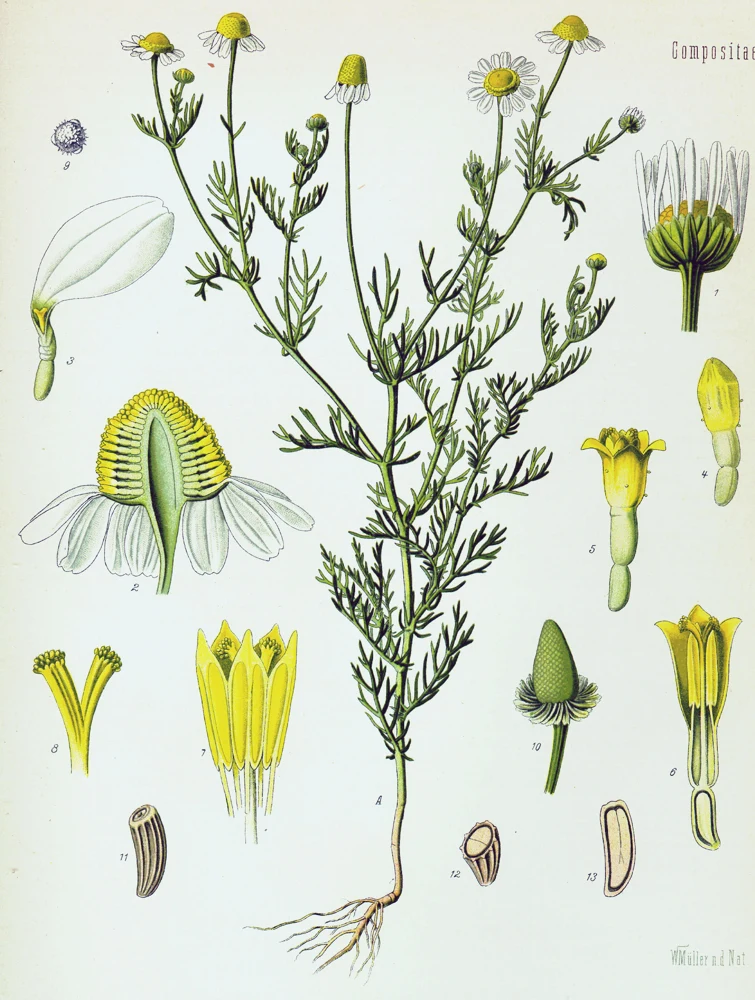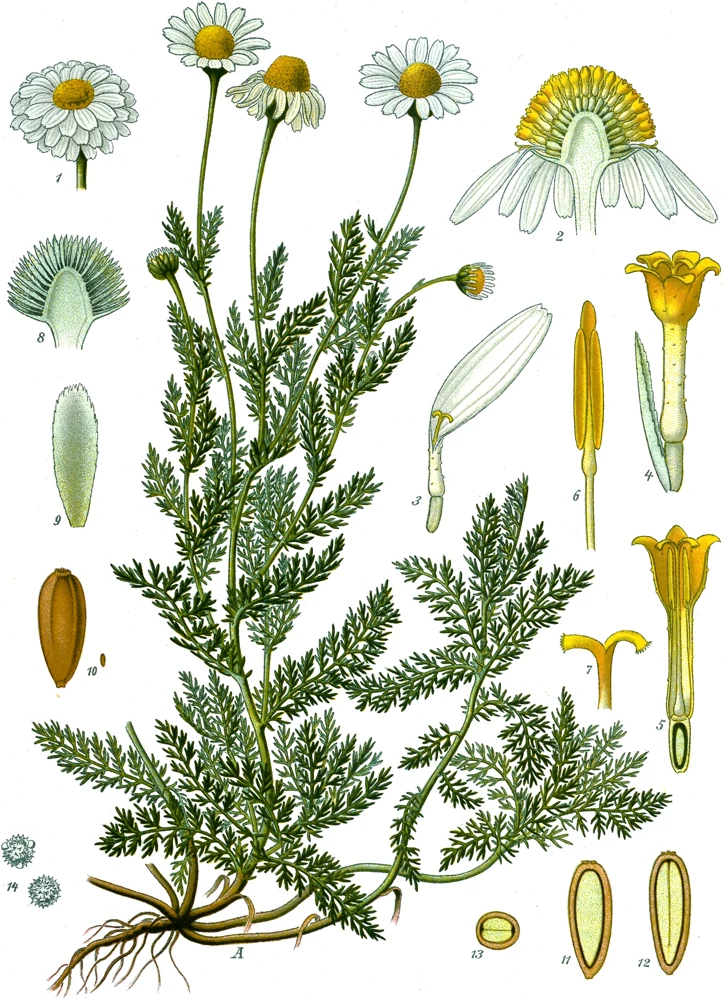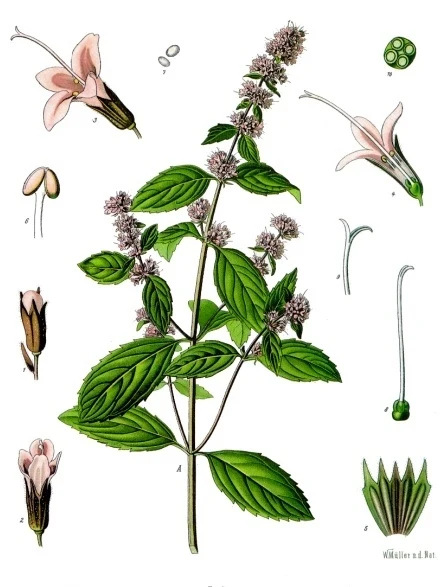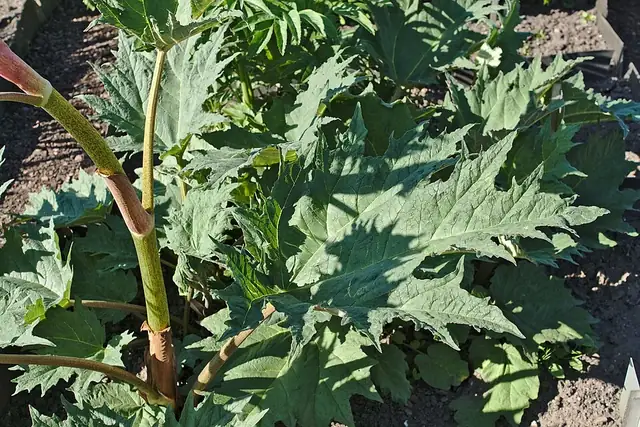
BOTANICAL IDENTITY
The right name is the first step.
Also known as: No synonyms listed.
The botanical name and part used must match the profile; a photograph alone is not sufficient grounds for consuming a plant.
An illustration is not enough to identify a plant for consumption. Do not forage for a species based solely on this profile.
01 · UNDERSTAND
Properties & uses.
Occasional constipation
Well-established medicinal use (EMA) of defined preparations for a short period; this recognition does not correspond to a body of robust direct trials of the species alone.
Read the sourceThe traditional uses described are not clinical proof of effectiveness. Evidence for one preparation cannot automatically be applied to another.
02 · UNDERSTAND THE ACTION
How does the plant act?
The medicinal root of Chinese rhubarb is not the part used in cooking. Its anthracene derivatives stimulate the colon and promote the presence of water in stools. The EMA assessment covers Rheum palmatum, Rheum officinale and their hybrids for brief laxative use. It does not validate all indications sometimes attributed to the many rhubarb preparations.
Constituents to know.
Their presence and quantity depend on the plant part and preparation.
- Hydroxyanthracene derivatives
- A family of constituents linked to the laxative effect; medicinal preparations are controlled for their content.Read the reference
Stimulant laxative
The effect combines stimulation of intestinal movements with changes in water and salt transport, helping stools pass more easily.
Read the referenceTolerability linked to the mechanism
Excessive stimulation may cause cramps and diarrhea; repeated use promotes dehydration and electrolyte imbalances.
Read the referenceWhat this means for preparation.
Control of the preparation matters: a concentrated root and a rhubarb-based food do not serve the same purpose. The monograph excludes prolonged use without professional advice.
03 · EXAMINE THE EVIDENCE
What the research shows.
A laboratory or animal result alone does not demonstrate a benefit in humans. Each result must be read alongside the preparation studied and its limitations.
A precisely defined indication
- Type of research
- EMA assessment of the literature and well-established use.
- Preparation concerned
- Dried root and standardized preparations of the included species.
- Observed results
- Efficacy in occasional constipation is recognized on the basis of a body of clinical experience and pharmacological data.
- Limitations to consider
- The effects of anthraquinones do not constitute proof that all species, parts or traditional processing methods are equivalent. Representative direct trials of this species alone are insufficient; recognition is based in particular on experience and data for the hydroxyanthracene laxative class.
What can we take from this?
Urine discoloration or a mucosal change after prolonged use is not a sign of purification; no benefit for a weight-loss regimen is established.
Documentary review dated 09/10/2026. The references remain available to check the context.
04 · CHOOSE A PREPARATION
One plant, several preparations.
Only forms documented in this profile’s sources are presented.
Cut preparationRoot · Route: oral
Standardised extractRoot · Route: oral
Controlled content of active derivatives.
Please note: Do not continue beyond a week without medical advice.
Read the source05 · BEFORE ANY USE
Precautions & contraindications.
This guidance does not cover every individual situation. Missing information is not a guarantee of safety.
Contraindications
- Intestinal obstruction, narrowing or atony; appendicitis; inflammatory bowel disease.
- Unexplained abdominal pain or severe dehydration.
Medicine interactions
- Potassium loss: risks with cardiotonic drugs, antiarrhythmics, diuretics, corticosteroids or licorice.
Adverse effects
- Cramps, diarrhea; prolonged use: fluid and electrolyte imbalances and laxative dependence.
Pregnancy & breastfeeding
Contraindicated during pregnancy and breastfeeding.
Children & adolescents
Contraindicated under 12 years of age.
If symptoms persist, worsen or are unusual, consult a healthcare professional. In an emergency, contact the emergency services.
06 · PUTTING KNOWLEDGE INTO PRACTICE
Preparations & recipes.
No home recipe is provided in this profile. For an appropriate preparation, refer to the product leaflet and ask your pharmacist for advice.
07 · CHECK THE SOURCES
Sources for this profile.
- EMA — Rhei radix: dossier and documentsAccessed on 09/10/2026
- EMA — scientific assessment report: Rheum palmatumAccessed on 09/10/2026
Illustration: Alexander Klink · CC BY 4.0. View the original image and its licence. Image resized and converted to WebP.
A TOUCH OF SOLÉA
Myriam’s tip
Myriam is reviewing the tip for this profile.
Myriam