BOTANICAL IDENTITY
The right name is the first step.
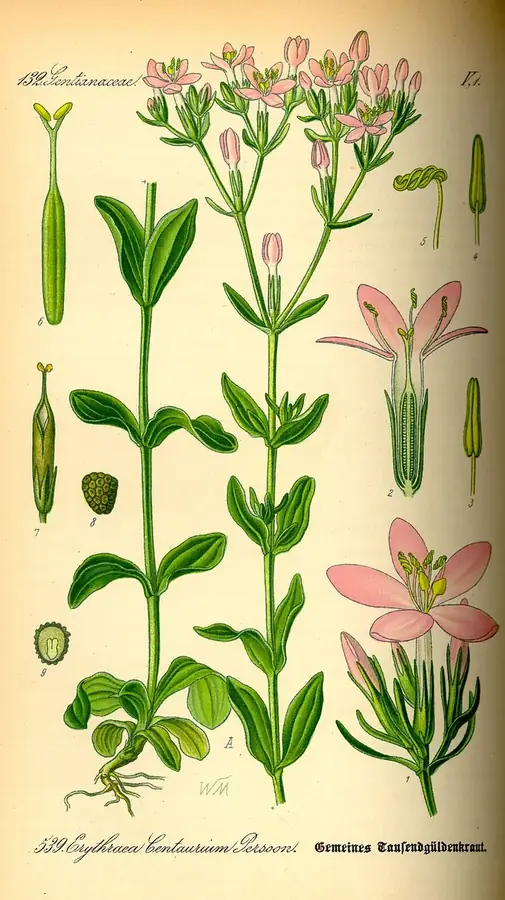
Also known as: common centaury
The botanical name, part and preparation must match. A photograph is not enough for identification intended for consumption.
An illustration is not enough to identify a plant for consumption. Do not forage for a species based solely on this profile.
01 · UNDERSTAND
Properties & uses.
Appetite and digestion
Traditional uses for temporary loss of appetite and mild digestive complaints.
Read the sourceThe traditional uses described are not clinical proof of effectiveness. Evidence for one preparation cannot automatically be applied to another.
02 · UNDERSTAND THE ACTION
How does the plant act?
Centaury belongs to the bitter plants traditionally used for temporary loss of appetite and mild digestive complaints. Its bitterness has a specific chemical basis, but is not enough to demonstrate a therapeutic mechanism in humans. The report describes different oral forms; their concentration and extraction must be distinguished before comparing uses.
Constituents to know.
Their presence and quantity depend on the plant part and preparation.
- Bitter secoiridoids
- Swertiamarin, gentiopicroside and sweroside are characteristic. The profile varies with the plant part; the fruit may be more bitter than the flowers, leaves and stems.Read the reference
Appetite
Historical uses as an appetite-stimulating bitter are documented. The intensity of the taste does not predict a measurable improvement in a person's appetite.
Read the referenceMild digestive support
The traditional monograph concerns certain digestive discomforts without proving a treatment for ulcers, reflux or biliary disease.
Read the referenceWhat this means for preparation.
Check the flowering aerial parts and the preparation. Bitterness is an identifying characteristic of the plant, not a tool for adjusting a dose yourself.
03 · EXAMINE THE EVIDENCE
What the research shows.
A laboratory or animal result alone does not demonstrate a benefit in humans. Each result must be read alongside the preparation studied and its limitations.
What the preparation dossier documents
- Type of research
- EMA assessment of historical and composition data.
- Preparation concerned
- Fragmented flowering aerial parts, powder and defined extracts.
- Observed results
- Sufficiently described preparations have a documented history of use for the selected purposes.
- Limitations to consider
- The existence of several historically recognized forms does not demonstrate their quantitative equivalence or the superiority of an extract.
What can we take from this?
Persistent loss of appetite requires investigation of its cause. The botanical and chemical observations presented do not support claims of clinical antidiabetic or hepatoprotective benefit.
Documentary review dated 09/10/2026. The references remain available to check the context.
04 · CHOOSE A PREPARATION
One plant, several preparations.
Only forms documented in this profile’s sources are presented.
Preparation of aerial partsAerial parts · Route: oral
Choose an identified product and follow its leaflet.
Please note: No dose or extract equivalence is proposed here.
Read the source05 · BEFORE ANY USE
Precautions & contraindications.
This guidance does not cover every individual situation. Missing information is not a guarantee of safety.
Contraindications
- Peptic ulcer: do not use.
Medicine interactions
- Interactions are not detailed here: have a pharmacist check treatments and the preparation.
Adverse effects
- This entry does not provide an exhaustive list of adverse effects.
Pregnancy & breastfeeding
Medicinal use is not recommended during pregnancy and breastfeeding due to insufficient data.
Children & adolescents
For adults only.
If symptoms persist, worsen or are unusual, consult a healthcare professional. In an emergency, contact the emergency services.
06 · PUTTING KNOWLEDGE INTO PRACTICE
Preparations & recipes.
A DOCUMENTED PREPARATION
Centaury infusion — a bitter digestive reference
Traditional use for mild digestive complaints and temporary appetite loss. Long-standing use does not replace conclusive clinical trials.
Plant part: Dried flowering aerial parts
Ingredients & quantities
- 1–4 g dried cut flowering aerial parts of Centaurium erythraea Rafn.
- 200 ml boiling drinking water
Preparation steps
- Check the botanical name and plant part on a quality-controlled herbal tea; weigh the herb.
- Pour 200 ml boiling drinking water over the herb in a heatproof container.
- Steep for 5–15 minutes unless the product leaflet says otherwise. This is the EMA glossary’s general method; the monograph gives no preparation-specific time.
- Strain, then allow to cool to a comfortable temperature before drinking.
Use: EMA reference: one preparation per dose, up to 4 times daily. Seek advice if symptoms persist over 2 weeks or worsen. Do not automatically combine several bitter herbal teas.
Storage: Prepare immediately before use, following the EMA glossary. The monograph provides no domestic storage period; do not prepare a stock batch.
Before you start. For adults aged 18+ in this collection. Not recommended during pregnancy or breastfeeding because sufficient safety data are lacking. Contraindicated with a stomach or duodenal ulcer, or allergy to the herb. Data for use under 18 are insufficient. Stop and seek advice if an adverse reaction occurs. No interactions are reported in this monograph; this does not establish compatibility with medicines. Ask a pharmacist if you take medication.
07 · CHECK THE SOURCES
Sources for this profile.
- EMA — Centaurii herba: official dossierAccessed on 09/10/2026
- ANSES — precautions for plants in food supplements, June 2023 summaryAccessed on 09/10/2026
- EMA — assessment report on Centaurium erythraea Rafn. (Aerial parts)Accessed on 09/10/2026
- EMA — Centaurium erythraea Rafn. s.l., herba: monograph, preparation and precautionsAccessed on 09/10/2026
- EMA — Glossary on herbal teas: general methods, §4Accessed on 09/10/2026
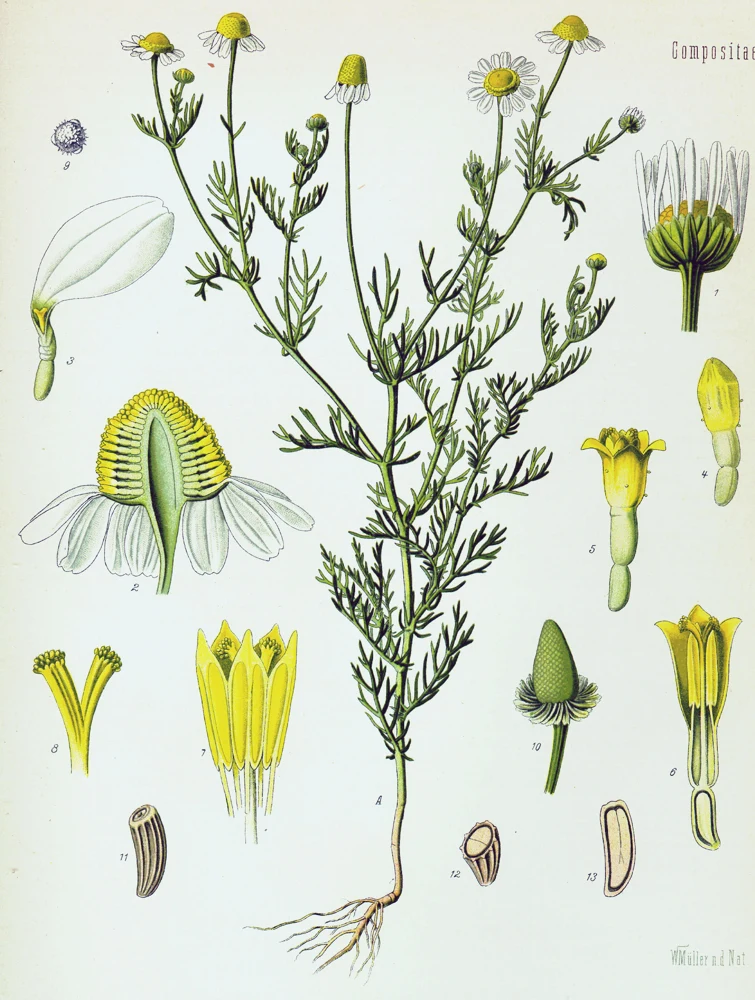
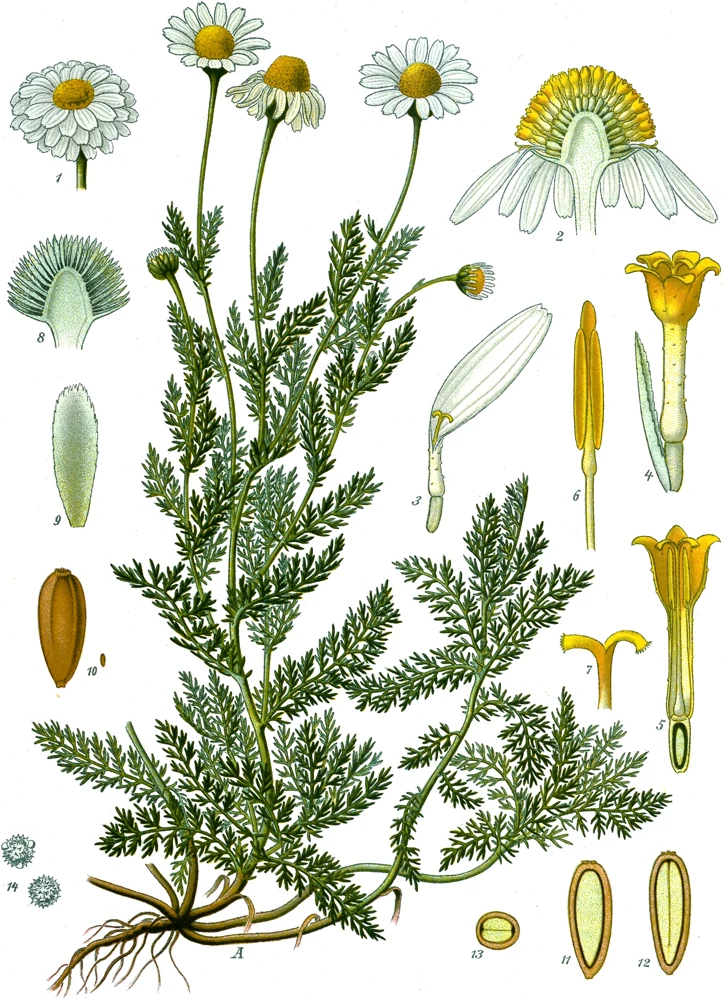
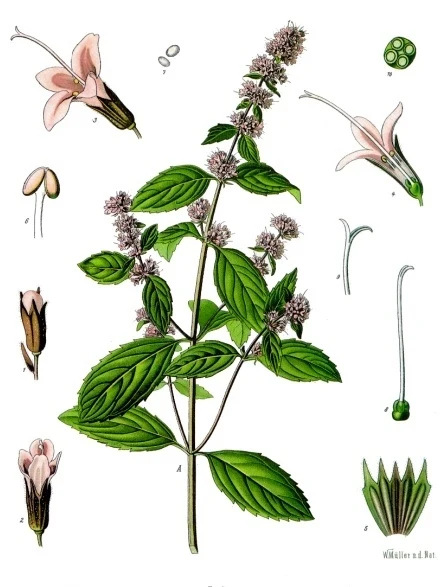
Illustration: Flora von Deutschland, Österreich und der Schweiz — Otto Wilhelm Thomé (1885), via Wikimedia Commons · Public domain. View the original image and its licence. Image resized and converted to WebP.
A TOUCH OF SOLÉA
Myriam’s tip
Myriam is reviewing the tip for this profile.
Myriam