Identity & origin
BOTANICAL IDENTITY
The right name is the first step.
This profile concerns flowering tops. The uses described depend on the preparation.
Also known as: Marjoram
Origanum majorana must not be confused with Origanum vulgare.
An illustration is not enough to identify a plant for consumption. Do not forage for a species based solely on this profile.
Uses & evidence
UNDERSTANDING THE USES
Properties & uses.
Digestion
Traditional use of the herbal tea for bloating and flatulence.
Use considered plausible in a traditional-use monograph. That status alone does not demonstrate clinical efficacy.
Read the sourceIrritated skin around the nose
Traditional use of suitable topical preparations.
Use considered plausible in a traditional-use monograph. That status alone does not demonstrate clinical efficacy.
Read the sourceThe traditional uses described are not clinical proof of effectiveness. Evidence for one preparation cannot automatically be applied to another.
Precautions before use
BEFORE ANY USE
Precautions & contraindications.
This guidance does not cover every individual situation. Missing information is not a guarantee of safety.
Contraindications & precautions
- Source-listed contraindicationAllergy to marjoram or other Lamiaceae plants.Source
- PrecautionOintment: around the nostrils only, not deep inside the nose; avoid eyes.Source
Medicine interactions
- No interaction reported in the sourceNo interactions reported in the monograph for these preparations; compatibility with every medicine is not established.Source
“Reported” does not prove causality; “possible” may reflect indirect evidence. “None reported” means none in the cited source, not that all combinations have been studied. Do not stop a prescribed treatment based on this profile.
Adverse effects
- Adverse effects insufficiently documented in the sources used here.
Pregnancy & breastfeeding
Not recommended during pregnancy or breastfeeding: insufficient safety data.
SourceChildren & adolescents
Tea: adults. Specifically formulated ointment: from age 1 according to leaflet; do not extrapolate to essential oil.
SourceIf symptoms persist, worsen or are unusual, consult a healthcare professional. In an emergency, contact the emergency services.
Forms & how they are used
DOCUMENTED FORMS
One plant, several preparations.
Only forms documented in this profile’s sources are presented.
InfusionFlowering tops · Route: oral
Fragmented flowering tops, for adults.
Please note: Follow the product's package leaflet; preparations are not interchangeable.
Read the sourceFormulated ointmentFlowering tops · Route: topical
Specific preparation for the skin around the nostrils.
Please note: Do not improvise a formula using essential oil.
Read the sourcePreparations: ingredients & steps
DOCUMENTED PREPARATIONS
Preparations & recipes.
A DOCUMENTED PREPARATION
Marjoram infusion — before a meal
Traditional use for mild digestive spasms, bloating and flatulence. Evidence is insufficient to establish clinical efficacy for a digestive disease.
Plant part: Dried, cut flowering shoots of Origanum majorana L.
Ingredients & quantities
- 2–4 g dried, cut flowering shoots of Origanum majorana L.
- 150 ml boiling water.
Preparation steps
- Check that the herb is sweet marjoram and weigh the flowering shoots.
- Pour 150 ml boiling water over the herb.
- Steep for 5–15 minutes, then strain: this is the EMA glossary’s general method because this plant’s monograph does not specify its own steeping time. Follow the preparation’s leaflet in priority.
- Allow to cool. Do not replace the herb with marjoram essential oil.
Use: Final EMA monograph: one cup once or twice daily before a meal, giving 2–8 g dried herb per day. Seek advice if symptoms last longer than two weeks or worsen.
Storage: Prepare each cup immediately before use and allow it to cool before drinking. The sources do not establish a storage time for the prepared tea: do not make a reserve for later doses. Store the dried herbs according to their leaflet, out of children’s reach.
Before you start. For adults aged 18 and over only; do not adapt these doses for children. Use during pregnancy and breastfeeding is not recommended because adequate safety data are lacking. Contraindicated with allergy to marjoram or another Lamiaceae plant. Stop if an unusual reaction occurs; no known adverse effects in the monograph does not mean there is no risk. The absence of reported interactions does not establish compatibility with medicines; ask a pharmacist if you take regular medication. Stop and seek advice if symptoms worsen; severe pain, fever, persistent vomiting or jaundice require prompt medical advice.
Understanding the plant’s actions
EXPLORE THE EVIDENCE
How does the plant act?
Sweet marjoram is documented for two very different traditional uses: oral digestive use in adults and a specific topical preparation around nostrils irritated during a cold. Cell experiments must not expand these indications. An infusion used in a laboratory, after concentration and technical preparation, does not demonstrate the same effects as drinking a cup or applying an ointment.
Bloating and mild digestive spasms
This use of the flowering aerial part is based on tradition. It does not prove treatment of a chronic digestive disease.
Use considered plausible in a traditional-use monograph. That status alone does not demonstrate clinical efficacy.
Read the referenceIrritated skin around the nose
A particular external formulation has a traditional use on the skin around the nose. This does not justify putting essential oil into the nostrils.
Use considered plausible in a traditional-use monograph. That status alone does not demonstrate clinical efficacy.
Read the referenceCell growth in the laboratory
Concentrated preparations influenced the growth of certain cell lines in experiments reviewed by EMA. The result varied by cell line.
Laboratory or animal observation. A human benefit cannot be inferred from this finding alone.
Read the referenceWhat this means for preparation.
Distinguish an adult digestive preparation from an external formulation with its own age and application conditions. The name marjoram is not enough to make all products equivalent.
Studies, findings & limitations
THE RESEARCH
What the research shows.
A laboratory or animal result alone does not demonstrate a benefit in humans. Each result must be read alongside the preparation studied and its limitations.
A cell experiment is not an anticancer indication
Laboratory or animal observation. A human benefit cannot be inferred from this finding alone.
- Type of research
- In vitro research described in the EMA report.
- Preparation concerned
- Infusion of leaves and flowers, subsequently freeze-dried, tested on cell lines.
- Observed results
- Growth inhibition was observed in the PC3 prostate cell line, but not in the HT29 colon cell line in the cited experiment.
- Limitations to consider
- Isolated cells, experimental concentrations and a growth effect demonstrate neither efficacy nor safety in a patient.
What can we take from this?
Cellular results are presented to explain the limitations of research, without proposing cancer treatment or anti-aging promises. An essential oil is not the aqueous extract studied.
Documentary review dated 09/10/2026. The references remain available to check the context.
Sources & last review
CHECKING REFERENCES
Sources for this profile.
- EMA — Origani majoranae herba: assessment and documentsAccessed on 09/10/2026
- ANSES — summary of precautions for food supplements (June 2023)Accessed on 09/10/2026
- EMA — assessment report on Origanum majorana, aerial partsAccessed on 09/10/2026
- EMA — Origanum majorana, herb, final monograph (2016)Accessed on 09/10/2026
- EMA — Glossary on herbal teas, general preparation methodAccessed on 09/10/2026
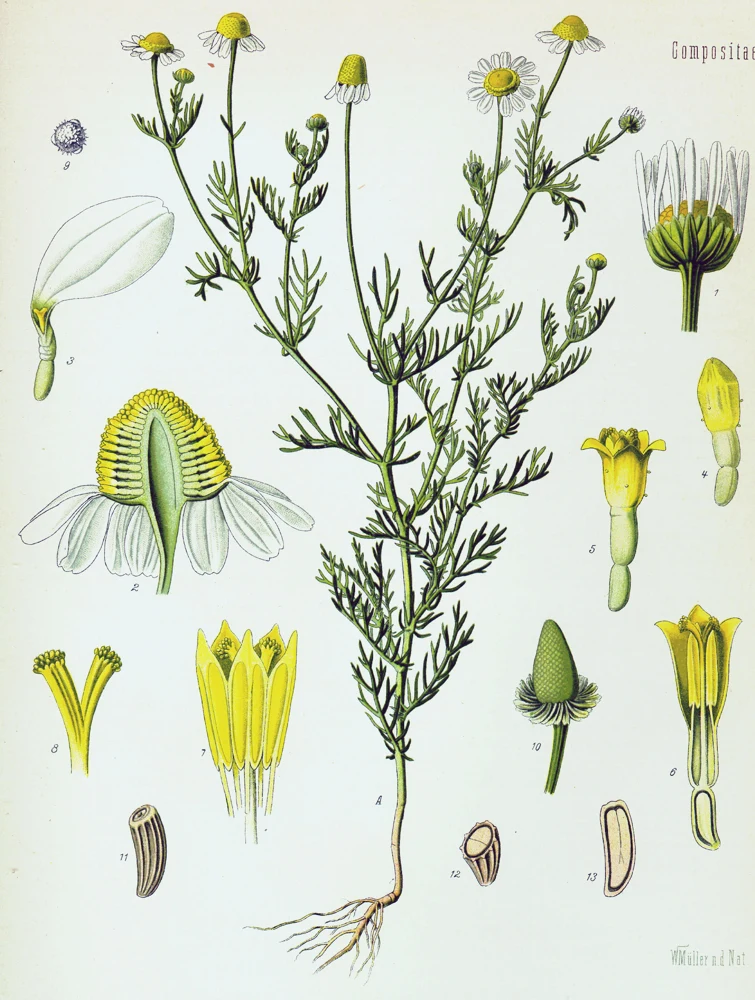
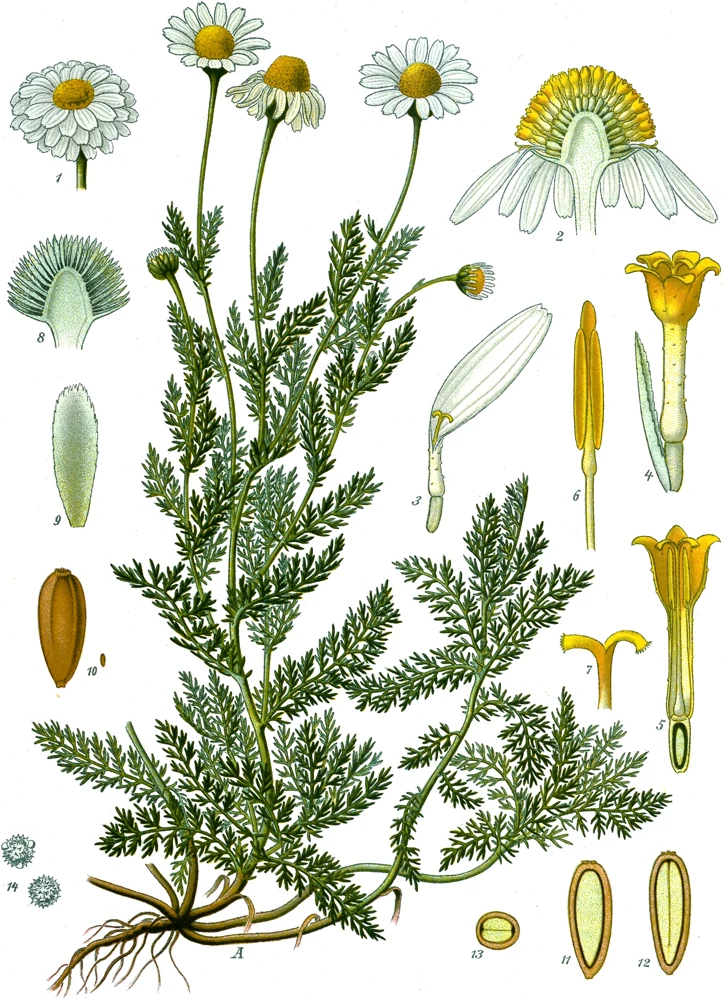
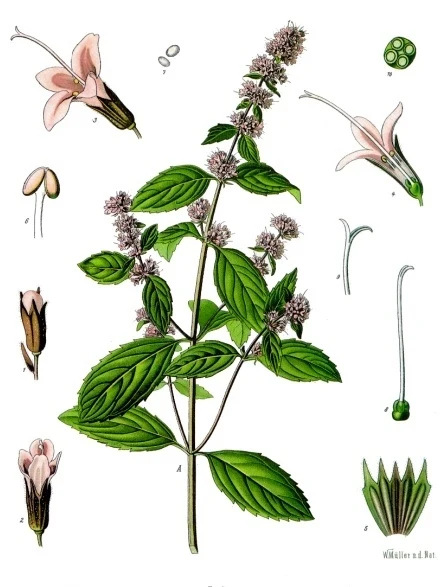
Image: H. Zell · CC BY-SA 3.0. View the original image and its licence. Image resized and converted to WebP.