Identity & origin
BOTANICAL IDENTITY
The right name is the first step.
This profile concerns dried ripe seeds. The uses described depend on the preparation.
Also known as: No synonyms listed.
Flaxseed oil does not have the same bulking effects as the seed.
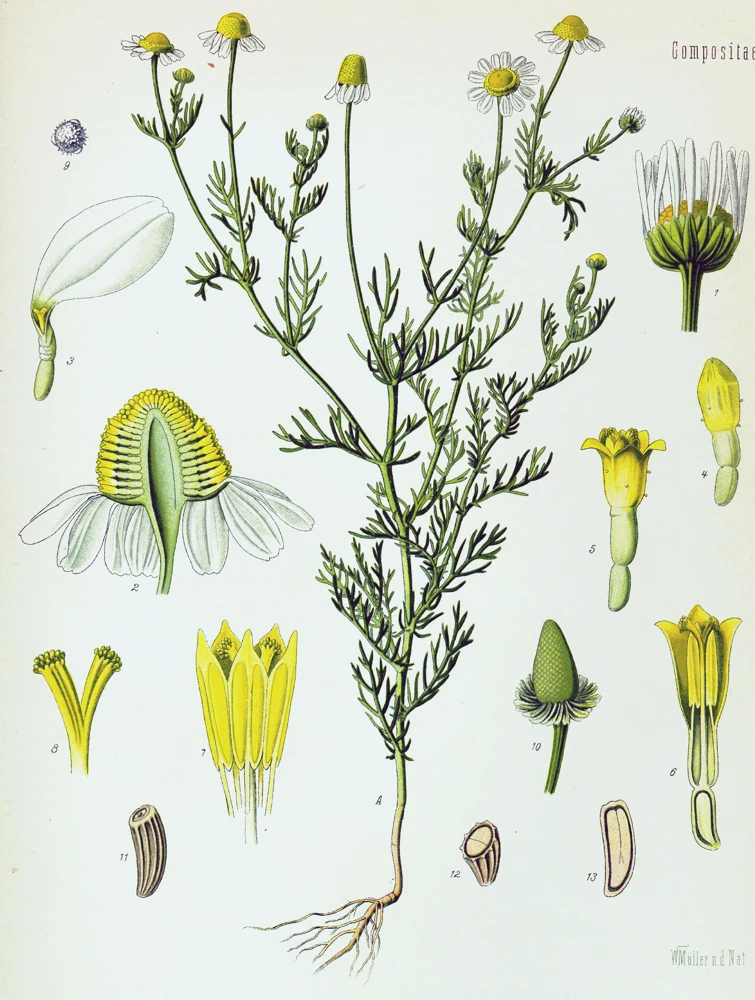
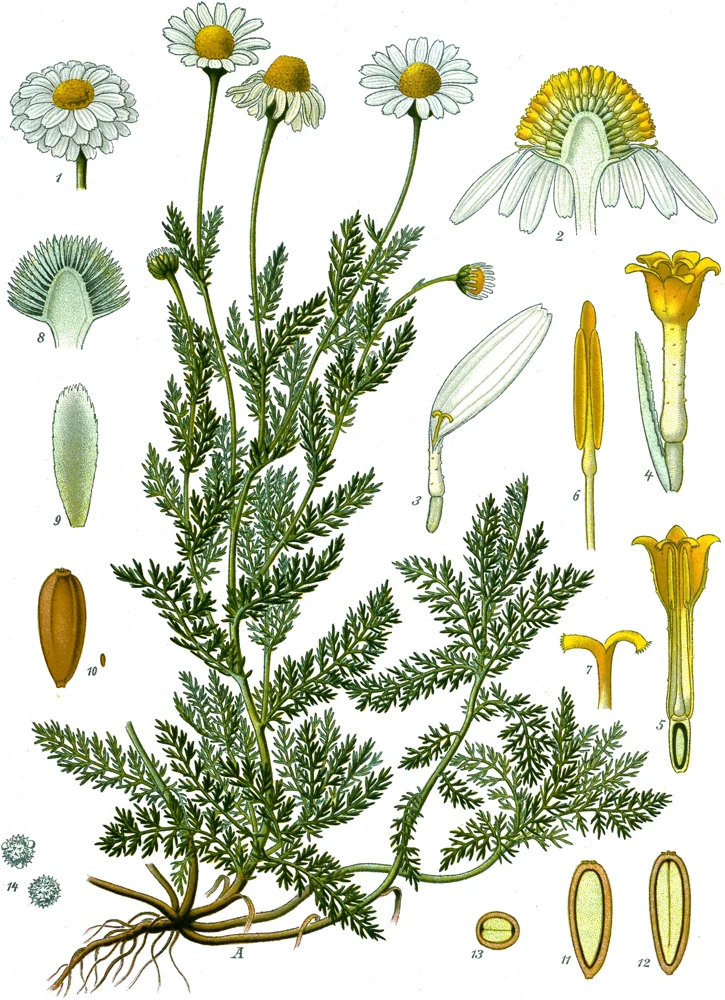
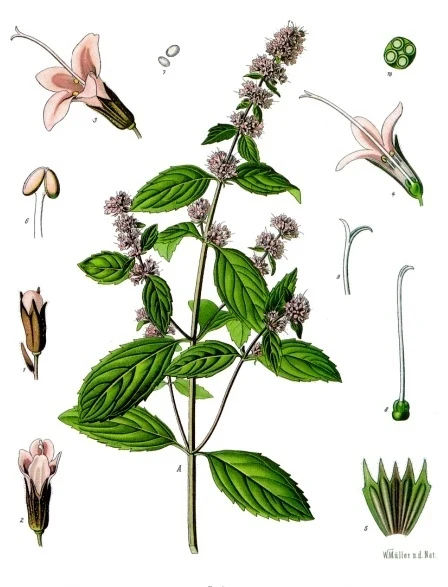
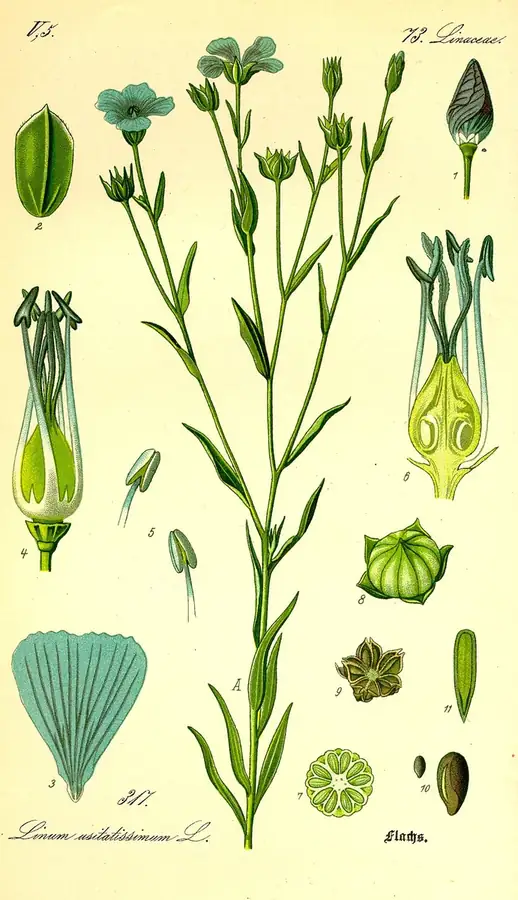
An illustration is not enough to identify a plant for consumption. Do not forage for a species based solely on this profile.
Uses & evidence
UNDERSTANDING THE USES
Properties & uses.
Habitual constipation
Well-established use of seeds as a bulk-forming laxative for habitual constipation, with adequate fluid and contraindication review.
EMA status applies only to the described preparation and indication, not every form of the plant.
Read the sourceMild digestive discomfort
Traditional use of mucilaginous preparations.
Use considered plausible in a traditional-use monograph. That status alone does not demonstrate clinical efficacy.
Read the sourceThe traditional uses described are not clinical proof of effectiveness. Evidence for one preparation cannot automatically be applied to another.
Precautions before use
BEFORE ANY USE
Precautions & contraindications.
This guidance does not cover every individual situation. Missing information is not a guarantee of safety.
Contraindications & precautions
- Source-listed contraindicationAllergy; swallowing difficulty; gut obstruction/narrowing, ileus or megacolon.Source
- Source-listed contraindicationConstipation: sudden bowel change > 2 weeks, unexplained rectal bleeding or no bowel movement after a laxative.Source
- PrecautionAdequate fluid is essential; avoid with hormone-dependent tumours.Source
Medicine interactions
- Possible interactionMay delay medicine absorption. For supplements, ANSES recommends at least a one-hour interval; have the medication regimen checked.Source
- Possible interactionWith opioids or loperamide: medical supervision because of obstruction risk.Source
“Reported” does not prove causality; “possible” may reflect indirect evidence. “None reported” means none in the cited source, not that all combinations have been studied. Do not stop a prescribed treatment based on this profile.
Adverse effects
- Bloating; risk of obstruction if fluid intake is insufficient.
Pregnancy & breastfeeding
Not recommended during pregnancy or breastfeeding: insufficient safety data.
SourceChildren & adolescents
Not recommended below 12 because evidence is insufficient.
SourceIf symptoms persist, worsen or are unusual, consult a healthcare professional. In an emergency, contact the emergency services.
Forms & how they are used
DOCUMENTED FORMS
One plant, several preparations.
Only forms documented in this profile’s sources are presented.
SeedsDry ripe seeds · Route: oral
Seeds used with an appropriate fluid intake.
Please note: Never swallow dry; check the contraindications.
Read the sourceMucilaginous preparationDry ripe seeds · Route: oral
Aqueous preparation according to a documented product or protocol.
Please note: Follow the product's package leaflet; preparations are not interchangeable.
Read the sourceUnderstanding the plant’s actions
EXPLORE THE EVIDENCE
How does the plant act?
Linseeds act mainly through their physical properties in the intestine. Their mucilage retains water and forms a gel, thereby changing stool volume and consistency. Use for habitual constipation is well established. A mucilaginous preparation for mild digestive discomfort belongs to a different, traditional level of use. Linseed oil does not contain the same swelling components and does not reproduce this action.
Constituents to know.
Their presence and quantity depend on the plant part and preparation.
- Mucilage and bulk-forming substances
- They bind water and swell; their effect depends on contact with liquids. This property also explains obstruction precautions if taken improperly.Read the reference
Bulk-forming laxative
Water retention and swelling help soften intestinal contents and facilitate their passage. This is a local physical action, not general stimulation of metabolism.
EMA status applies only to the described preparation and indication, not every form of the plant.
Read the referenceSoothing digestive effect
Mucilaginous preparations have a traditional use for mild digestive discomfort; a mucilage preparation does not necessarily have the same use as a whole seed.
Use considered plausible in a traditional-use monograph. That status alone does not demonstrate clinical efficacy.
Read the referenceWhat this means for preparation.
Fluid is an integral part of use. Swallowing disorders, narrowing of the digestive tract or unexplained intestinal symptoms alter the benefit–risk balance; seeds must not be swallowed dry.
Studies, findings & limitations
THE RESEARCH
What the research shows.
A laboratory or animal result alone does not demonstrate a benefit in humans. Each result must be read alongside the preparation studied and its limitations.
Why the forms cannot replace one another
EMA status applies only to the described preparation and indication, not every form of the plant.
- Type of research
- EMA pharmacological and clinical assessment.
- Preparation concerned
- Seeds for the bulking effect; mucilaginous aqueous preparations are distinguished in the report.
- Observed results
- The swelling mechanism is consistent with the laxative use, while the soothing use is based on tradition.
- Limitations to consider
- The report does not recognise equivalence between mucilage prepared alone and the seed for constipation.
What can we take from this?
The ability to swell does not prove an effect for losing weight or “cleansing” the colon. Other medicines may be absorbed differently: follow the product's rules on spacing doses.
Documentary review dated 09/10/2026. The references remain available to check the context.
Sources & last review
CHECKING REFERENCES
Sources for this profile.
- EMA — Lini semen: assessment and documentsAccessed on 09/10/2026
- ANSES — summary of precautions for food supplements (June 2023)Accessed on 09/10/2026
- EMA — assessment report on Linum usitatissimum, seedsAccessed on 09/10/2026
- EMA — réévaluation documentaire de la préparationAccessed on 09/10/2026
Image: Flora von Deutschland, Österreich und der Schweiz — Otto Wilhelm Thomé (1885), via Wikimedia Commons · Public domain. View the original image and its licence. Image resized and converted to WebP.