BOTANICAL IDENTITY
The right name is the first step.
Also known as: No synonyms listed.
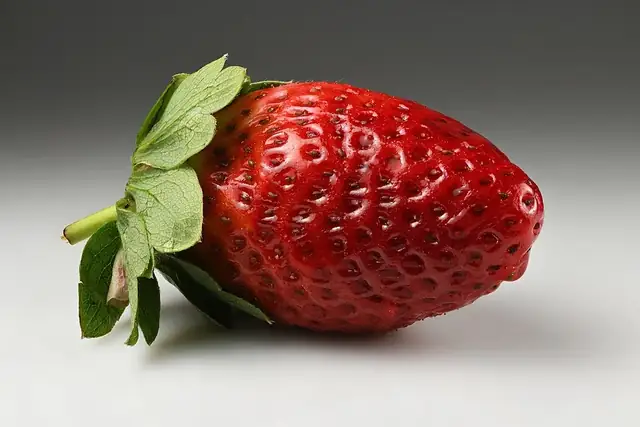
A common name and photograph do not guarantee identification. Check the botanical name and part indicated on a traceable product.
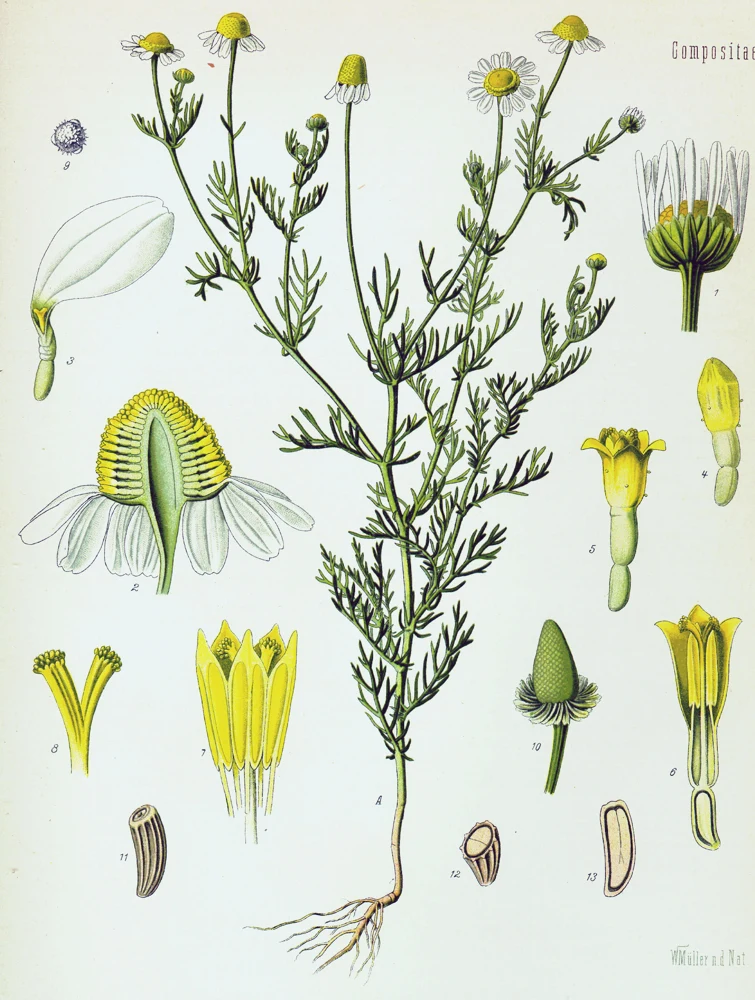
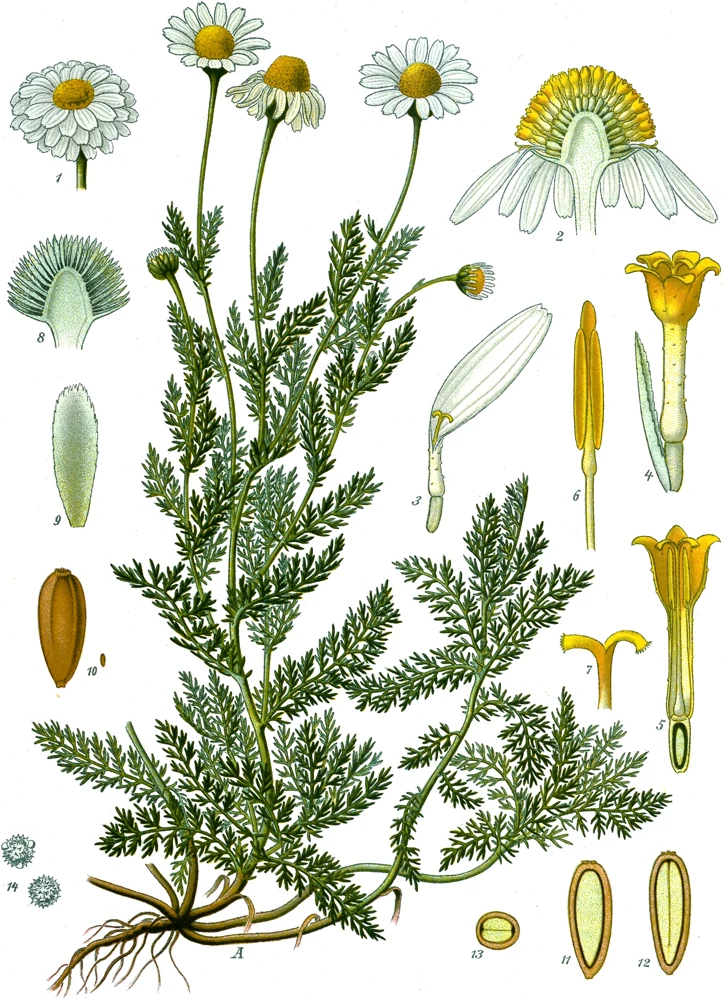
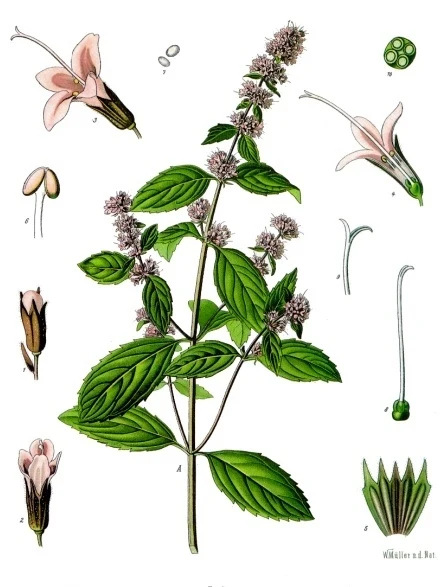
An illustration is not enough to identify a plant for consumption. Do not forage for a species based solely on this profile.
01 · UNDERSTAND
Properties & uses.
Mild diarrhea or urinary drainage
Use of the monographed group; the source does not demonstrate a benefit specific to each species.
Read the sourceThe traditional uses described are not clinical proof of effectiveness. Evidence for one preparation cannot automatically be applied to another.
02 · UNDERSTAND THE ACTION
How does the plant act?
The part concerned is the leaf of F. × ananassa. The monograph groups several strawberry species and provides no isolated clinical demonstration for this one. Eating strawberries and using a medicinal leaf are two distinct situations.
Intestinal or urinary comfort
Both uses remain traditional. Their coexistence does not demonstrate a single mechanism or make the plant a treatment for infection.
Read the referenceWhat this means for preparation.
When reading a Fragaria study, first check leaf or fruit, then species and preparation. A fruit variety cultivated for its taste is not automatically documented as a medicinal plant.
03 · EXAMINE THE EVIDENCE
What the research shows.
A laboratory or animal result alone does not demonstrate a benefit in humans. Each result must be read alongside the preparation studied and its limitations.
Insufficient data specific to the leaf
- Type of research
- EMA assessment of the Fragaria group
- Preparation concerned
- Medicinal leaves; not strawberries eaten as food.
- Observed results
- Traditional use forms the basis of the framework adopted.
- Limitations to consider
- Dietary trials on fruits cannot measure the medicinal effect of this hybrid's leaf.
What can we take from this?
A polyphenol-rich composition is not a clinical outcome. This profile does not allow predictions of efficacy, speed of action or equivalence between strawberry species.
Documentary review dated 09/10/2026. The references remain available to check the context.
04 · CHOOSE A PREPARATION
One plant, several preparations.
Only forms documented in this profile’s sources are presented.
InfusionLeaves · Route: oral
Preparation described in the shared monograph.
Please note: Follow the product's package leaflet; concentrations are not interchangeable.
Read the source05 · BEFORE ANY USE
Precautions & contraindications.
This guidance does not cover every individual situation. Missing information is not a guarantee of safety.
Contraindications
- Allergy to the preparation. Promoting fluid elimination is unsuitable when fluid intake is restricted.
Medicine interactions
- The selected data do not allow compatibility with your treatments to be guaranteed. Ask a pharmacist to check.
Adverse effects
- Stop use if an unexpected reaction occurs; limited data do not mean absence of risk.
Pregnancy & breastfeeding
Pregnancy and breastfeeding: medicinal use is not recommended; insufficient data.
Children & adolescents
Medicinal use is not recommended under 12 years.
If symptoms persist, worsen or are unusual, consult a healthcare professional. In an emergency, contact the emergency services.
06 · PUTTING KNOWLEDGE INTO PRACTICE
Preparations & recipes.
No home recipe is provided in this profile. For an appropriate preparation, refer to the product leaflet and ask your pharmacist for advice.
07 · CHECK THE SOURCES
Sources for this profile.
- EMA — fragariae foliumAccessed on 09/10/2026
- EMA — final shared assessment of strawberry leaves (2019)Accessed on 09/10/2026
Illustration: Ivar Leidus · CC BY-SA 4.0. View the original image and its licence. Image resized and converted to WebP.
A TOUCH OF SOLÉA
Myriam’s tip
Myriam is reviewing the tip for this profile.
Myriam