
Identity & origin
BOTANICAL IDENTITY
The right name is the first step.
Kew describes this taxon as a shrub or tree. This notice concerns Citrus aurantium, family Rutaceae. The pharmacopoeial material is: leaves, flowers, fruit peel or zest.
Contextualized findings do not constitute a self-medication recommendation.
Also known as: Oranger amer Bigaradier, Citrus aurantium
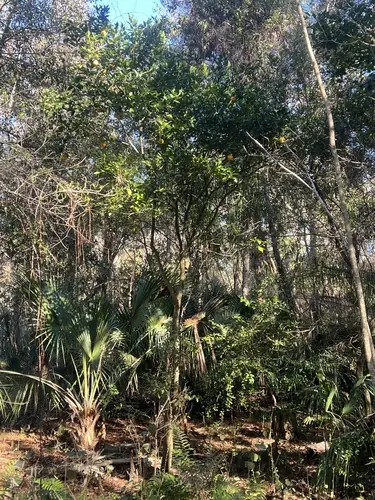
Bitter orange, orange blossom and concentrated p-synephrine supplements are not a single preparation. Hybrid ancestry does not erase differences in plant part and concentration.A photograph alone does not guarantee identification for consumption.
An illustration is not enough to identify a plant for consumption. Do not forage for a species based solely on this profile.
Uses & evidence
UNDERSTANDING THE USES
Properties & uses.
Supplements: uncertain benefits
NCCIH finds no clearly demonstrated benefit for weight loss or athletic performance.
The references do not establish a benefit. Lack of evidence is not assurance of safety.
Read the sourceThe traditional uses described are not clinical proof of effectiveness. Evidence for one preparation cannot automatically be applied to another.
Precautions before use
BEFORE ANY USE
Precautions & contraindications.
This guidance does not cover every individual situation. Missing information is not a guarantee of safety.
The following warnings do not constitute a complete review of interactions or contraindications. An unstudied combination cannot be considered compatible.
Contraindications & precautions
- The references in this notice do not establish a complete contraindication list. This limitation does not mean absence of risk.
Medicine interactions
- Medicine compatibility is not assessed in this notice; a pharmacist should check it before any use.
“Reported” does not prove causality; “possible” may reflect indirect evidence. “None reported” means none in the cited source, not that all combinations have been studied. Do not stop a prescribed treatment based on this profile.
Adverse effects
- Arrhythmias, heart attacks and strokes have been reported with frequently combined products. Bitter orange’s individual contribution remains uncertain.
Pregnancy & breastfeeding
Supplements may be unsafe during pregnancy or breastfeeding; no medicinal use is recommended here.
Children & adolescents
No paediatric use is proposed; pharmacopoeial listing does not establish a child-appropriate dose.
If symptoms persist, worsen or are unusual, consult a healthcare professional. In an emergency, contact the emergency services.
This plant in documented blends
These recipes have their own formula and precautions. The dose of a single plant cannot be transferred to a blend.
Available evidence
EXPLORE THE EVIDENCE
The available evidence.
NCCIH finds no clearly demonstrated benefit for weight loss or athletic performance.
Supplements: uncertain benefits
The fruit contains p-synephrine; study findings on blood pressure and heart rate are inconsistent.
The references do not establish a benefit. Lack of evidence is not assurance of safety.
Read the referenceLimitations to keep in mind.
Have a professional check supplements, particularly with cardiovascular disease or medication.
Studies, findings & limitations
THE RESEARCH
What the research shows.
A laboratory or animal result alone does not demonstrate a benefit in humans. Each result must be read alongside the preparation studied and its limitations.
Supplements: uncertain benefits
The references do not establish a benefit. Lack of evidence is not assurance of safety.
- Type of research
- Institutional summary, not a new trial.
- Preparation concerned
- Extracts and frequently multi-ingredient products.
- Observed results
- Small trials and combinations make bitter orange’s independent effect difficult to isolate.
- Limitations to consider
- Supplement findings do not automatically apply to flowers, culinary peel or aromatherapy.
What can we take from this?
Supplement findings do not automatically apply to flowers, culinary peel or aromatherapy.
Documentary review dated 09/10/2026. The references remain available to check the context.
Sources & last review
CHECKING REFERENCES
Sources for this profile.
- ANSM — French Pharmacopoeia, List A, January 2026, p. 25Accessed on 09/10/2026
- GBIF — taxonomy of Citrus aurantiumAccessed on 09/10/2026
- Kew POWO — Citrus × aurantium L.Accessed on 09/10/2026
- NCCIH — Bitter Orange: Usefulness and Safety (updated November 2024)Accessed on 09/10/2026
Image: Taylor DiTarando · CC BY 4.0. View the original image and its licence. Image resized and converted to WebP.