BOTANICAL IDENTITY
The right name is the first step.
Also known as: No synonyms listed.
Check the scientific name and the part used; a photograph is not sufficient for foraging plants intended for consumption.
An illustration is not enough to identify a plant for consumption. Do not forage for a species based solely on this profile.
01 · UNDERSTAND
Properties & uses.
Digestion and mild spasms
Traditional use for indigestion and minor digestive spasms.
Read the sourceThe traditional uses described are not clinical proof of effectiveness. Evidence for one preparation cannot automatically be applied to another.
02 · UNDERSTAND THE ACTION
How does the plant act?
Boldo is documented through its leaves, within a traditional framework for relief of mild digestive complaints and spasms. The chemistry mainly explains why the form matters: the leaf, an aqueous extract and concentrated essential oil do not expose users to constituents in the same way. The European dossier recognizes specific aqueous preparations. It validates neither a liver-cleansing course nor ingestion of boldo essential oil.
Constituents to know.
Their presence and quantity depend on the plant part and preparation.
- Boldine and other alkaloids
- Boldine is among the isoquinoline alkaloids identified. Its content varies between samples; it is not always predominant and does not account for the leaf’s entire action.Read the reference
- Ascaridole in the volatile fraction
- This toxic essential oil constituent calls for particular attention to the preparation. Concentrating the volatile fraction is not a risk-free way of strengthening a herbal tea.Read the reference
Digestion and mild spasms
Use of the leaves as an infusion or of certain aqueous extracts falls within traditional symptomatic use.
Read the referenceThe preparation changes exposure
The volatile fraction and alkaloids are not distributed identically in all preparations; data from one form do not validate the others.
Read the referenceWhat this means for preparation.
Read the exact form and observe biliary precautions. Pain suggestive of stones or liver disease is not a matter for independently choosing a digestive herbal tea.
03 · EXAMINE THE EVIDENCE
What the research shows.
A laboratory or animal result alone does not demonstrate a benefit in humans. Each result must be read alongside the preparation studied and its limitations.
A chemical profile crucial to safety
- Type of research
- EMA assessment of composition and preparations.
- Preparation concerned
- Leaf and aqueous extracts distinguished from essential oil.
- Observed results
- The report identifies ascaridole as a toxicological concern and describes variability in boldine.
- Limitations to consider
- Chemical characterization does not demonstrate treatment of liver disease. Observations on an isolated alkaloid do not prove a benefit of the whole leaf.
What can we take from this?
No equivalence between essential oil, tincture and aqueous extract is recognized. A possible biological effect does not become a “detox” indication or demonstrated liver repair.
Documentary review dated 09/10/2026. The references remain available to check the context.
04 · CHOOSE A PREPARATION
One plant, several preparations.
Only forms documented in this profile’s sources are presented.
InfusionLeaves · Route: oral
Fragmented dried leaves.
Please note: Follow the product's package leaflet; preparations are not interchangeable.
Read the sourceAqueous dry extractLeaves · Route: oral
Extract obtained with water.
Please note: Do not extrapolate to essential oils or undefined extracts.
Read the source05 · BEFORE ANY USE
Precautions & contraindications.
This guidance does not cover every individual situation. Missing information is not a guarantee of safety.
Contraindications
- Biliary obstruction, liver disease: do not use. Gallstones or other biliary disease: seek medical advice.
Medicine interactions
- No established interaction is included in this entry; this does not guarantee compatibility with a treatment.
Adverse effects
- Adverse effects insufficiently documented in the sources used here.
Pregnancy & breastfeeding
Use not recommended; ANSES contraindicates the supplements concerned during pregnancy/breastfeeding.
Children & adolescents
For adults only in this leaflet; insufficient pediatric data.
If symptoms persist, worsen or are unusual, consult a healthcare professional. In an emergency, contact the emergency services.
06 · PUTTING KNOWLEDGE INTO PRACTICE
Preparations & recipes.
No home recipe is provided in this profile. For an appropriate preparation, refer to the product leaflet and ask your pharmacist for advice.
07 · CHECK THE SOURCES
Sources for this profile.
- EMA — Boldi folium: assessment and documentsAccessed on 09/10/2026
- ANSES — summary of precautions for food supplements (June 2023)Accessed on 09/10/2026
- EMA — Assessment report on Peumus boldus, leafAccessed on 09/10/2026
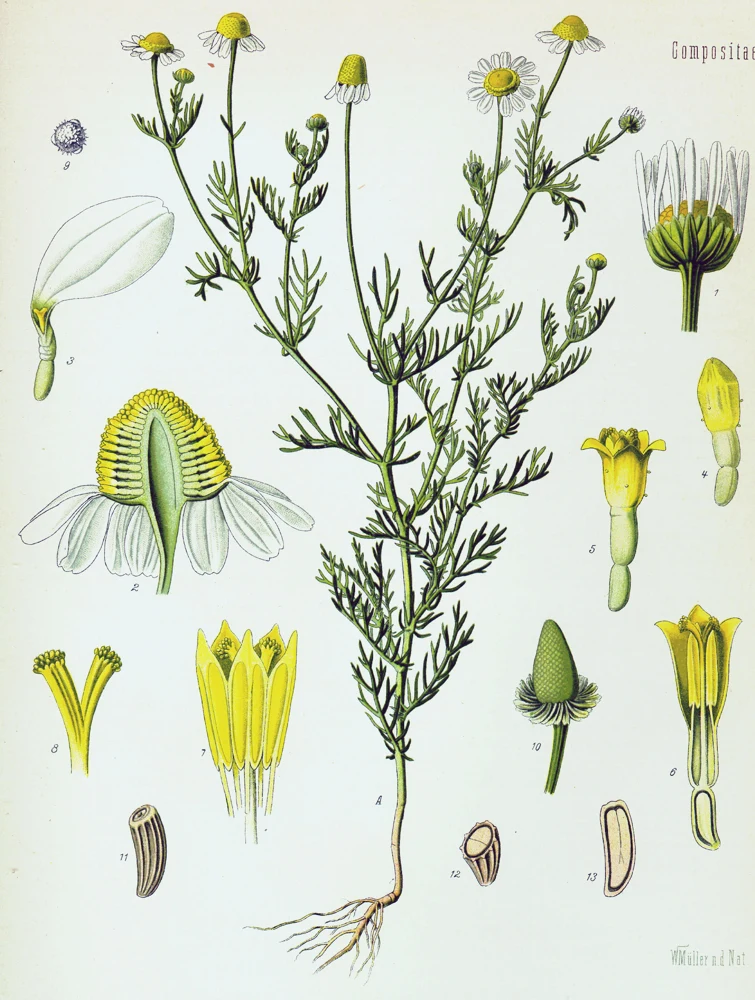
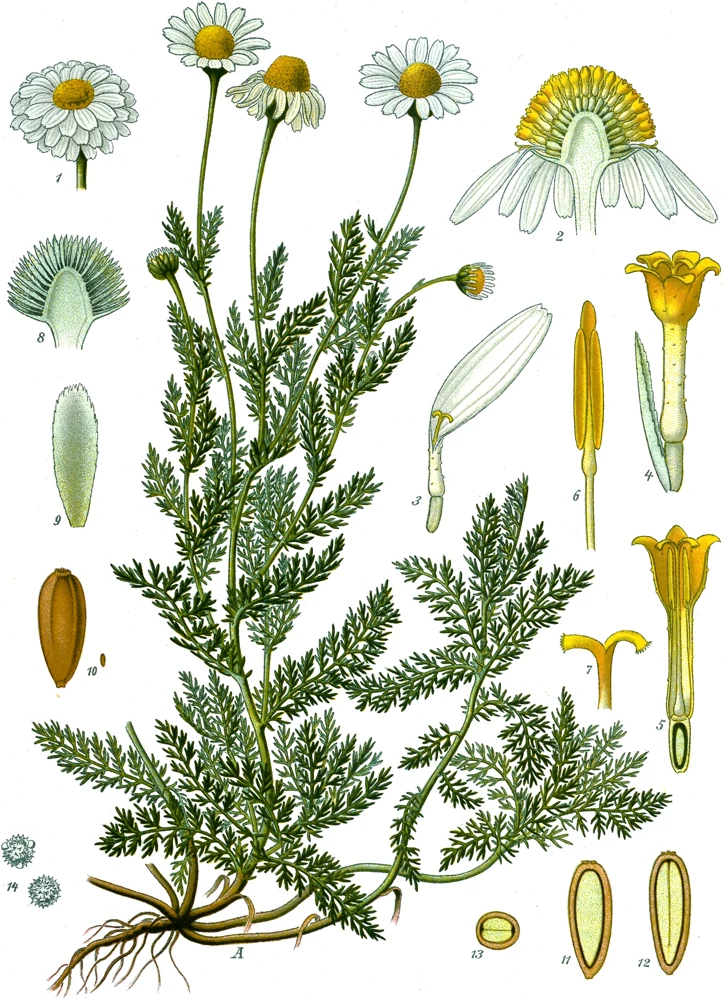
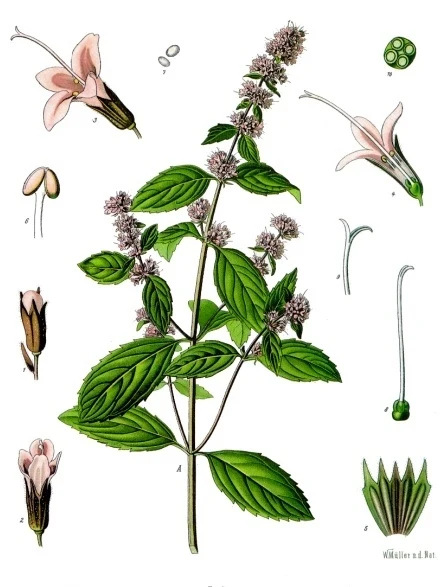
Illustration: Franz Eugen Köhler, Köhler's Medizinal-Pflanzen · Public domain. View the original image and its licence. Image resized and converted to WebP.
A TOUCH OF SOLÉA
Myriam’s tip
Myriam is reviewing the tip for this profile.
Myriam