Identity & origin
BOTANICAL IDENTITY
The right name is the first step.
Saw palmetto — Sabal: guidance on the fruit, with the uses and precautions specific to documented preparations.
Also known as: sabal, saw palmetto
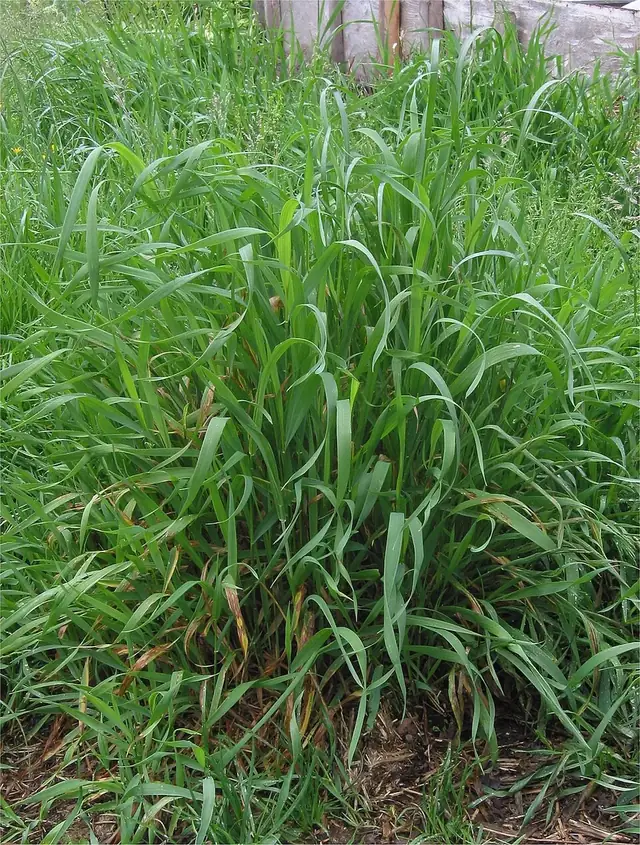
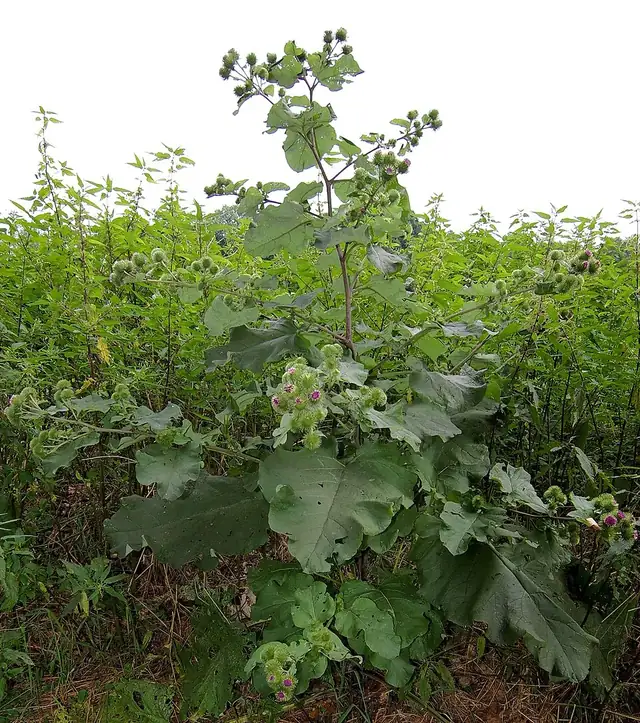
The botanical name and part used must match the profile; a photograph alone is not sufficient grounds for consuming a plant.
An illustration is not enough to identify a plant for consumption. Do not forage for a species based solely on this profile.
Uses & evidence
UNDERSTANDING THE USES
Properties & uses.
Prostate problems
EMA classifies one specific hexane extract as well-established use for benign prostate enlargement symptoms. However, the NCCIH summary of the 2023 review finds little or no benefit from saw palmetto alone, including hexane extracts. Benefit is therefore uncertain; medical diagnosis and follow-up are essential.
EMA status applies only to the described preparation and indication, not every form of the plant.
Read the sourceAnother extract
The defined ethanol extract has EMA traditional-use status after serious causes are excluded. That classification is not clinical proof, and overall findings remain unconvincing.
Use considered plausible in a traditional-use monograph. That status alone does not demonstrate clinical efficacy.
Read the sourceThe traditional uses described are not clinical proof of effectiveness. Evidence for one preparation cannot automatically be applied to another.
Precautions before use
BEFORE ANY USE
Precautions & contraindications.
This guidance does not cover every individual situation. Missing information is not a guarantee of safety.
Contraindications & precautions
- Source-listed contraindicationAllergy to the plant or preparation: contraindication.Source
- PrecautionFever, painful urination, spasms or blood in urine require medical assessment; do not delay infection diagnosis.Source
Medicine interactions
- Reported interactionEMA reports a few suspected warfarin interactions with increased INR. Causality is not established; prescriber advice and monitoring are needed.Source
“Reported” does not prove causality; “possible” may reflect indirect evidence. “None reported” means none in the cited source, not that all combinations have been studied. Do not stop a prescribed treatment based on this profile.
Adverse effects
- Digestive complaints, headaches, allergies; liver abnormalities and reversible gynecomastia reported with certain extracts.
Pregnancy & breastfeeding
The monograph indication is for adult men. NCCIH advises against pregnancy/breastfeeding use; there is no obstetric indication.
SourceChildren & adolescents
Indication for adult men only; no relevant paediatric use.
SourceIf symptoms persist, worsen or are unusual, consult a healthcare professional. In an emergency, contact the emergency services.
Forms & how they are used
DOCUMENTED FORMS
One plant, several preparations.
Only forms documented in this profile’s sources are presented.
Hexane extractFruit · Route: oral
Ethanolic extractFruit · Route: oral
Another defined extract, with different evidence.
Please note: Do not treat the two formulations as equivalent.
Read the sourceUnderstanding the plant’s actions
EXPLORE THE EVIDENCE
How does the plant act?
Saw palmetto illustrates the importance of the preparation and contradictory results. The EMA distinguishes a specific hexanic extract, recognized for certain urinary symptoms related to benign prostate enlargement, from an ethanolic extract with traditional use. The NCCIH, however, emphasizes that the best overall research does not show convincing benefit from saw palmetto taken alone. The plant therefore cannot be summarized as “effective for the prostate”.
Constituents to know.
Their presence and quantity depend on the plant part and preparation.
- Fatty acids and phytosterols
- Certain extracts target the lipophilic fraction of the fruit; profiles differ between products and processes.Read the reference
Urinary symptoms: a specific conclusion
EMA recognition concerns the defined hexane extract and diagnosed benign enlargement; it does not extend to all fruit capsules.
EMA status applies only to the described preparation and indication, not every form of the plant.
Read the referenceProposed mechanisms
Experimental actions on inflammatory or hormonal pathways have been explored; they are not enough to predict a benefit for each patient.
Laboratory or animal observation. A human benefit cannot be inferred from this finding alone.
Read the referenceWhat this means for preparation.
Before comparing two products, note the solvent, extraction ratio and composition. Monitoring of a prostate disorder remains necessary, even if a symptom seems to improve.
Studies, findings & limitations
THE RESEARCH
What the research shows.
A laboratory or animal result alone does not demonstrate a benefit in humans. Each result must be read alongside the preparation studied and its limitations.
Human trials often negative
A human study may be positive, negative or inconclusive. Read the findings, preparation and limitations.
- Type of research
- Official NCCIH summary of clinical studies.
- Preparation concerned
- Different Serenoa repens preparations used alone for urinary symptoms.
- Observed results
- The body of data considered most reliable shows no convincing benefit.
- Limitations to consider
- The conclusions must be read alongside the exact identity of the extracts; the EMA status of one preparation should not obscure this overall uncertainty.
What can we take from this?
Research does not demonstrate prevention of prostate cancer. Urinary results do not automatically validate hair or sexual uses.
Documentary review dated 09/10/2026. The references remain available to check the context.
Sources & last review
CHECKING REFERENCES
Sources for this profile.
- EMA — Sabalis serrulatae fructus: dossier and documentsAccessed on 09/10/2026
- EMA — Monograph: Sabalis serrulatae fructusAccessed on 09/10/2026
- ANSES — precautions for herbal supplements, June 2023 tableAccessed on 09/10/2026
- EMA — scientific assessment report: Serenoa repensAccessed on 09/10/2026
- NCCIH — Saw Palmetto: Usefulness and SafetyAccessed on 09/10/2026
Image: Ted Bodner, Southern Weed Science Society, United States · CC BY 3.0 us. View the original image and its licence. Image resized and converted to WebP.