
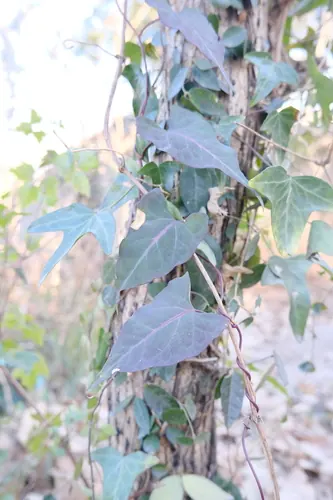
Identity & origin
BOTANICAL IDENTITY
The right name is the first step.
Pleuropterus multiflorus (Thunb.) Turcz. ex Nakai belongs to Polygonaceae. Kew records it as a climbing tuberous geophyte. Fallopia multiflora and Polygonum multiflorum are names used in medicinal references; Kew accepts Pleuropterus multiflorus. This synonymy must not lead to merging different knotweeds.
Also known as: Fallopia multiflora, Pleuropterus multiflorus
Fallopia multiflora and Polygonum multiflorum are names used in medicinal references; Kew accepts Pleuropterus multiflorus. This synonymy must not lead to merging different knotweeds. A photograph alone cannot establish identification for consumption.
An illustration is not enough to identify a plant for consumption. Do not forage for a species based solely on this profile.
Uses & evidence
UNDERSTANDING THE USES
Properties & uses.
Documentary reference — stem; underground parts
ANSM lists Fallopia multiflora for the following material: stem; underground parts. Inclusion in List B signals that potential adverse effects outweigh the expected therapeutic benefit. The entry does not establish clinical efficacy.
The references do not establish a benefit. Lack of evidence is not assurance of safety.
Read the sourceThe traditional uses described are not clinical proof of effectiveness. Evidence for one preparation cannot automatically be applied to another.
Precautions before use
BEFORE ANY USE
Precautions & contraindications.
This guidance does not cover every individual situation. Missing information is not a guarantee of safety.
The following warnings do not constitute a complete review of interactions or contraindications. An unstudied combination cannot be considered compatible.
Contraindications & precautions
- Do not restart after suspected liver injury from a product containing this plant: LiverTox reports recurrence on re-exposure.
- No home preparation or self-medication is proposed.
Medicine interactions
- Interactions specific to this species and each preparation are not established by this notice’s documentary sources. This does not establish compatibility with medicines.
“Reported” does not prove causality; “possible” may reflect indirect evidence. “None reported” means none in the cited source, not that all combinations have been studied. Do not stop a prescribed treatment based on this profile.
Adverse effects
- Fatigue, nausea, abdominal pain, dark urine and jaundice in liver-injury cases; severe cases have been reported.
Pregnancy & breastfeeding
Pregnancy and breastfeeding: no home use is proposed; this notice does not establish evidence supporting use in these situations.
Children & adolescents
Do not give to children on the basis of this notice. A botanical inventory is not a paediatric safety evaluation.
If symptoms persist, worsen or are unusual, consult a healthcare professional. In an emergency, contact the emergency services.
Available evidence
EXPLORE THE EVIDENCE
The available evidence.
This toxicological dossier concerns Pleuropterus multiflorus (Thunb.) Turcz. ex Nakai. Fatigue, nausea, abdominal pain, dark urine and jaundice in liver-injury cases; severe cases have been reported. These risks support caution, not a therapeutic benefit.
Liver-injury risk
LiverTox reports acute hepatitis associated with products containing Polygonum multiflorum, a medicinal name for this species. Some injuries were severe or fatal. The exact mechanism is not established; renewed exposure may cause recurrence.
This entry describes a risk or interaction, not a beneficial property.
Read the referenceLimitations to keep in mind.
Do not consume or prepare the plant at home. After suspected exposure, seek poison-centre advice; breathing, neurological or cardiovascular symptoms require urgent help.
Studies, findings & limitations
THE RESEARCH
What the research shows.
A laboratory or animal result alone does not demonstrate a benefit in humans. Each result must be read alongside the preparation studied and its limitations.
NIDDK / NIH — LiverTox: Polygonum Multiflorum (2020)
This entry describes a risk or interaction, not a beneficial property.
- Type of research
- Institutional or university toxicology summary; this document is not an efficacy trial.
- Preparation concerned
- Exposures and products described by the source; no home dose or preparation is inferred.
- Observed results
- LiverTox reports acute hepatitis associated with products containing Polygonum multiflorum, a medicinal name for this species. Some injuries were severe or fatal. The exact mechanism is not established; renewed exposure may cause recurrence.
- Limitations to consider
- The document identifies risks, does not systematically measure their frequency and establishes no safe quantity. Risks are not therapeutic properties.
What can we take from this?
“Insufficient evidence” refers to establishing therapeutic benefit and use, not to absence of the described risk. This notice does not replace individual toxicological assessment or establish a safe quantity.
Documentary review dated 09/10/2026. The references remain available to check the context.
Sources & last review
CHECKING REFERENCES
Sources for this profile.
- ANSM — French Pharmacopoeia, List B, January 2026, p. 6Accessed on 09/10/2026
- Royal Botanic Gardens, Kew — Plants of the World Online : Pleuropterus multiflorus (Thunb.) Turcz. ex NakaiAccessed on 09/10/2026
- NIDDK / NIH — LiverTox: Polygonum Multiflorum (2020)Accessed on 09/10/2026
Image: 王天明 · CC BY 4.0. View the original image and its licence. Image resized and converted to WebP.