Identity & origin
BOTANICAL IDENTITY
The right name is the first step.
A final European monograph published in 2025 defines a traditional use of this species.
Also known as: No synonyms listed.
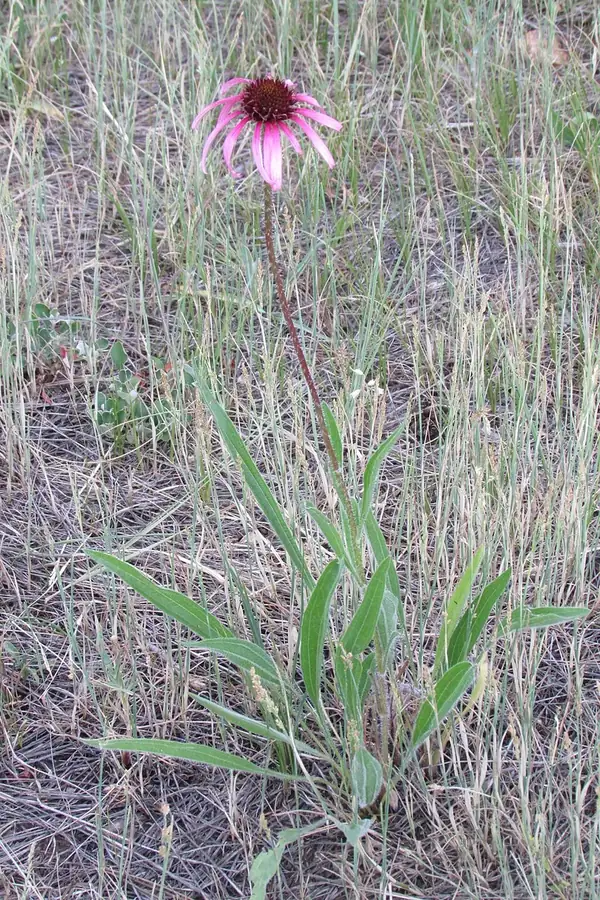
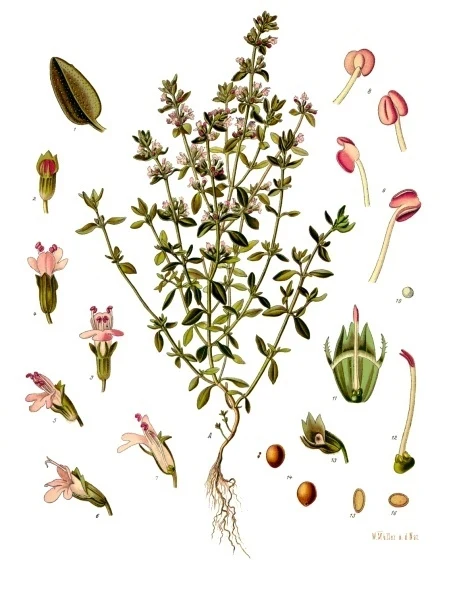
The botanical name, part and preparation must match. A photograph is not enough for identification intended for consumption.
An illustration is not enough to identify a plant for consumption. Do not forage for a species based solely on this profile.
Uses & evidence
UNDERSTANDING THE USES
Properties & uses.
Cough associated with a cold
Aerial-part decoction: traditional use for cold-associated cough. Clinical antiviral efficacy is not established for this preparation.
Use considered plausible in a traditional-use monograph. That status alone does not demonstrate clinical efficacy.
Read the sourceThe traditional uses described are not clinical proof of effectiveness. Evidence for one preparation cannot automatically be applied to another.
Precautions before use
BEFORE ANY USE
Precautions & contraindications.
This guidance does not cover every individual situation. Missing information is not a guarantee of safety.
Contraindications & precautions
- Source-listed contraindicationKnown allergy to the preparation.Source
Medicine interactions
- No interaction reported in the sourceNo interactions reported in the monograph for these preparations; compatibility with every medicine is not established.Source
“Reported” does not prove causality; “possible” may reflect indirect evidence. “None reported” means none in the cited source, not that all combinations have been studied. Do not stop a prescribed treatment based on this profile.
Adverse effects
- This entry does not provide an exhaustive list of adverse effects.
Pregnancy & breastfeeding
Not recommended during pregnancy or breastfeeding: insufficient safety data.
SourceChildren & adolescents
Not recommended below 18 because evidence is insufficient.
SourceIf symptoms persist, worsen or are unusual, consult a healthcare professional. In an emergency, contact the emergency services.
Forms & how they are used
DOCUMENTED FORMS
One plant, several preparations.
Only forms documented in this profile’s sources are presented.
DecoctionAerial parts · Route: oral
Comminuted aerial parts, according to a suitable product and package leaflet.
Please note: An infusion and an extract are not necessarily equivalent.
Read the sourceUnderstanding the plant’s actions
EXPLORE THE EVIDENCE
How does the plant act?
The final Cistus creticus dossier recognizes a traditional use for cough accompanying a cold. It carefully distinguishes the preparation in the monograph from specific aqueous extracts or branded products studied elsewhere. This distinction matters: results often presented as “antiviral” do not necessarily document the traditional decoction or general prevention of infections.
Constituents to know.
Their presence and quantity depend on the plant part and preparation.
- Polyphenols
- Phenolic acids and flavonoids are described in the preparations studied. They suggest possible activity, not proof of protection against infection in humans.Read the reference
Cough associated with a cold
Recognition is based on traditional use for a defined aerial-part preparation; it does not validate the treatment of pneumonia.
Use considered plausible in a traditional-use monograph. That status alone does not demonstrate clinical efficacy.
Read the referenceOral surfaces and bacteria
Experiments on enamel samples exposed in the mouth studied a reduction in initial colonization. This result is not a trial of treatment for a respiratory infection.
Laboratory or animal observation. A human benefit cannot be inferred from this finding alone.
Read the referenceWhat this means for preparation.
Noting the species, part and type of preparation allows you to check whether a scientific argument really applies to the product. A studied brand is not the whole plant.
Studies, findings & limitations
THE RESEARCH
What the research shows.
A laboratory or animal result alone does not demonstrate a benefit in humans. Each result must be read alongside the preparation studied and its limitations.
Why trials do not cover all preparations
The references do not establish a benefit. Lack of evidence is not assurance of safety.
- Type of research
- Final EMA report examining clinical studies.
- Preparation concerned
- Infusions, poorly specified aqueous extracts and specific commercial preparations.
- Observed results
- The report notes the absence of a clinical study on the exact preparation in the monograph.
- Limitations to consider
- Differences in the taxonomy used, manufacturing and outcome measures prevent all products named Cistus from being treated as equivalent.
What can we take from this?
An effect on bacteria attached to enamel or on an oxidative marker does not demonstrate viral prevention. High fever or breathing difficulties fall outside the traditional scope.
Documentary review dated 09/10/2026. The references remain available to check the context.
Sources & last review
CHECKING REFERENCES
Sources for this profile.
- EMA — Cisti cretici herba: official dossierAccessed on 09/10/2026
- EMA — Monograph or public statement on Cistus creticusAccessed on 09/10/2026
- EMA — assessment report on Cistus creticus L. (aerial parts)Accessed on 09/10/2026
Image: User:Qwertzy2 · CC BY-SA 3.0. View the original image and its licence. Image resized and converted to WebP.