Identity & origin
BOTANICAL IDENTITY
The right name is the first step.
The shared monograph “betulae folium” includes Betula pubescens Ehrh. This profile is limited to the parts and preparations described there.
Inclusion in a collective monograph does not prove that each species has been studied separately in humans. The form and pharmaceutical quality described remain decisive.
Also known as: No synonyms listed.
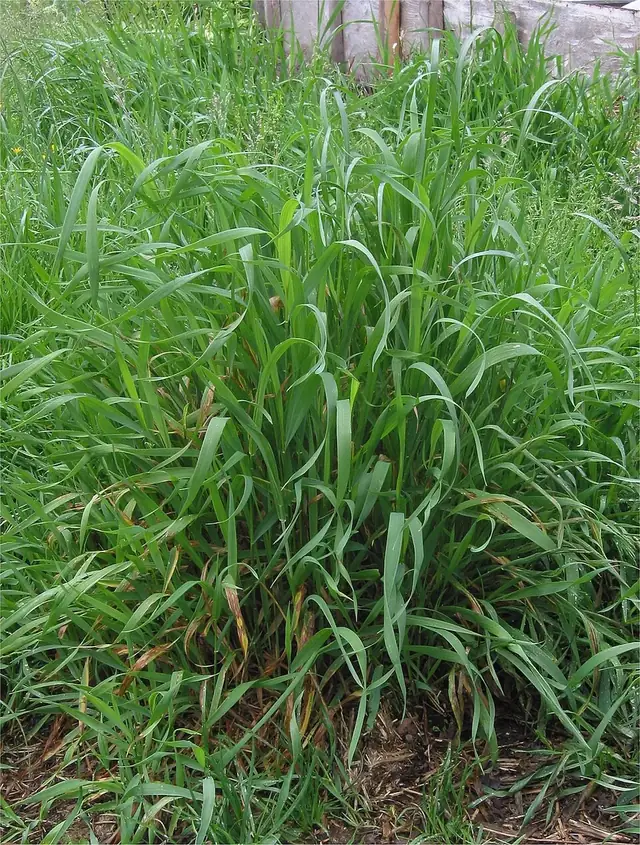
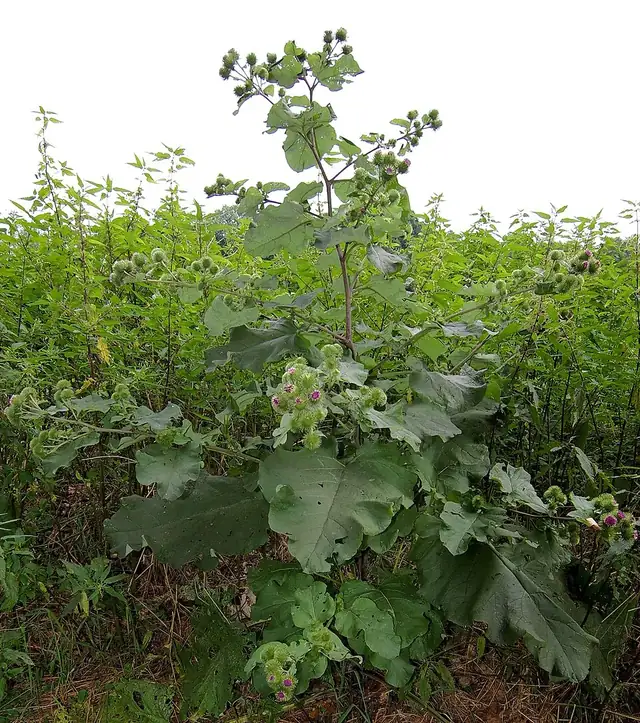
A common name and photograph do not guarantee identification. Check the botanical name and part indicated on a traceable product.
An illustration is not enough to identify a plant for consumption. Do not forage for a species based solely on this profile.
Uses & evidence
UNDERSTANDING THE USES
Properties & uses.
Traditional urinary elimination
Use of the monographed group; the source does not demonstrate a benefit specific to each species.
Use considered plausible in a traditional-use monograph. That status alone does not demonstrate clinical efficacy.
Read the sourceThe traditional uses described are not clinical proof of effectiveness. Evidence for one preparation cannot automatically be applied to another.
Precautions before use
BEFORE ANY USE
Precautions & contraindications.
This guidance does not cover every individual situation. Missing information is not a guarantee of safety.
Contraindications & precautions
- Source-listed contraindicationAllergy to birch leaves or birch pollen: contraindication.Source
- Source-listed contraindicationDo not use where fluid intake must be restricted, including severe heart or kidney disease.Source
- PrecautionFever, painful urination, spasms or blood in urine require medical assessment; do not delay infection diagnosis.Source
Medicine interactions
- No interaction reported in the sourceNo interactions are reported in the source for the assessed preparations. Evidence is limited; compatibility with medicines is not guaranteed.Source
“Reported” does not prove causality; “possible” may reflect indirect evidence. “None reported” means none in the cited source, not that all combinations have been studied. Do not stop a prescribed treatment based on this profile.
Adverse effects
- Nausea, vomiting, diarrhoea and allergic reactions (rash, itching, hives, rhinitis) reported; frequency unknown.
Pregnancy & breastfeeding
Medicinal use is not recommended during pregnancy or breastfeeding because evidence is insufficient; missing evidence establishes neither harm nor safety.
SourceChildren & adolescents
Medicinal use is not recommended below age 12 because evidence is insufficient; do not scale down an adult dose.
SourceIf symptoms persist, worsen or are unusual, consult a healthcare professional. In an emergency, contact the emergency services.
Forms & how they are used
DOCUMENTED FORMS
One plant, several preparations.
Only forms documented in this profile’s sources are presented.
InfusionLeaves · Route: oral
Preparation described in the shared monograph.
Please note: Follow the product's package leaflet; concentrations are not interchangeable.
Read the sourceExtractLeaves · Route: oral
Preparation described in the shared monograph.
Please note: Follow the product's package leaflet; concentrations are not interchangeable.
Read the sourceUnderstanding the plant’s actions
EXPLORE THE EVIDENCE
How does the plant act?
Downy birch is one source of medicinal birch leaves, along with B. pendula and their hybrids. Traditional urinary use should be interpreted cautiously: the dossier does not support claims of a reproducible increase in diuresis in all users, or of an effect specific to B. pubescens. Buds, sap and bark are other plant materials.
Constituents to know.
Their presence and quantity depend on the plant part and preparation.
- Flavonoids
- The shared report describes quercetin derivatives and hyperoside, among others; no constituent has been demonstrated to be solely responsible for the benefit.Read the reference
Supporting urinary flow
Traditional use aims to support minor urinary problems with appropriate fluid intake. It does not demonstrate elimination of “toxins”.
Use considered plausible in a traditional-use monograph. That status alone does not demonstrate clinical efficacy.
Read the referenceWhat this means for preparation.
The word leaf is essential. A claim made for birch sap cannot be used as evidence for this profile.
Studies, findings & limitations
THE RESEARCH
What the research shows.
A laboratory or animal result alone does not demonstrate a benefit in humans. Each result must be read alongside the preparation studied and its limitations.
Small studies and limited results
The references do not establish a benefit. Lack of evidence is not assurance of safety.
- Type of research
- EMA assessment of limited human data
- Preparation concerned
- Birch leaf preparations; no comparison specific to B. pubescens.
- Observed results
- The report does not consider the data sufficient for well-established use. Older infusion/water comparisons did not observe a significant increase in urine output.
- Limitations to consider
- Small sample sizes and heterogeneous products; drinking a herbal tea also supplies water, which must be distinguished from an effect specific to the plant.
What can we take from this?
Fluid restriction for heart or kidney disease is incompatible with an attempt to increase fluid elimination without medical advice.
Documentary review dated 09/10/2026. The references remain available to check the context.
Sources & last review
CHECKING REFERENCES
Sources for this profile.
- EMA — betulae foliumAccessed on 09/10/2026
- EMA — final assessment of birch leavesAccessed on 09/10/2026
- EMA — document relu pour usages et sécurité : final european union herbal monograph betula pendula roth betula pubescens ehrh foliumAccessed on 09/10/2026
Image: Willow · CC BY 2.5. View the original image and its licence. Image resized and converted to WebP.