Amaryllidaceae
Documentary entry
Allium ampeloprasum L.
Allium ampeloprasum
Historical record: Abscess
Reported uses, not demonstrated
Historical record only. Do not prepare or consume this plant based on this notice.
Read the entryTHE PLANTS
Search for a plant by its English, scientific or common name.
Use profiles explain documented preparations. Documentary entries describe knowledge and its limitations.Understanding the profiles
Allium ampeloprasum L.
Historical record: Abscess
Reported uses, not demonstrated
Historical record only. Do not prepare or consume this plant based on this notice.
Read the entryAllium cernuum Roth
Reported use: cough
Reported uses, not demonstrated
Historical record only. Do not prepare or consume this plant on the basis of this profile.
Read the entryAllium fistulosum L.
Reported use: headache
Reported uses, not demonstrated
Historical record only. Do not prepare or consume this plant on the basis of this profile.
Read the entryAllium gomphrenoides Boiss. & Heldr.
Historical record: Burn
Reported uses, not demonstrated
Historical record only. Do not prepare or consume this plant based on this notice.
Read the entryAllium macranthum Baker
Indications recorded in Bhutanese materia medica
Reported uses, not demonstrated
Documentary profile with limited evidence. Reported indications do not establish efficacy or justify self-medication or replacing medical care.
Read the entryAllium schoenoprasum L.
Reported use: carminative use
Reported uses, not demonstrated
Historical record only. Do not prepare or consume this plant on the basis of this profile.
Read the entryAllium ursinum L.
Historical record: Carminative
Reported uses, not demonstrated
Historical record only. Do not prepare or consume this plant based on this notice.
Read the entryAmmocharis coranica (Ker Gawl.) Herb.
Historical record: wounds
Reported uses, not demonstrated
Toxicity is reported in SEPASAL. No home preparation or ingestion.
Read the entryBoophone disticha (L.f.) Herb.
Reported traditional practices
Reported uses, not demonstrated
Limited ethnobotanical entry: practices are documented; clinical effectiveness is not established by these accounts. SANBI describes the bulb as very poisonous and reports sore eyes and headache around flowers in confined spaces.
Read the entryCrinum lugardiae N.E.Br.
Historical record: Skin/Subcutaneous Cellular Tissue Disorders
Reported uses, not demonstrated
Historical record only. Do not prepare or consume this plant based on this notice.
Read the entryCrinum macowanii Baker
Reported traditional practices
Reported uses, not demonstrated
Limited ethnobotanical entry: practices are documented; clinical effectiveness is not established by these accounts. SANBI states that the bulbs contain toxic alkaloids. Medicinal accounts do not define a human safety margin.
Read the entryCrinum stuhlmannii Baker
Historical record: Genitourinary System Disorders
Reported uses, not demonstrated
Historical record only. Do not prepare or consume this plant based on this notice.
Read the entryAllium sativum L.
Cardiovascular prevention: limited scope
Traditional use
Significant interactions with medicines; have the product checked.
View the profileGethyllis afra L.
Reported traditional practices
Reported uses, not demonstrated
Limited ethnobotanical entry: practices are documented; clinical effectiveness is not established by these accounts. The selected sources are not a complete assessment of human toxicity. Absence of a signal in this account is not a guarantee of safety.
Read the entryHymenocallis tubiflora Salisb.
Historical record: Astringent
Reported uses, not demonstrated
Historical record only. Do not prepare or consume this plant based on this notice.
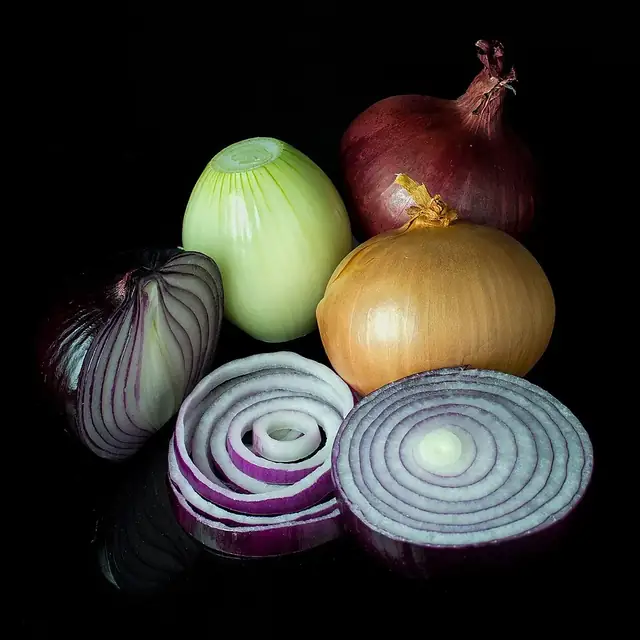
Read the entryAllium cepa L.
Therapeutic properties not established here
Reported uses, not demonstrated
Food use does not validate concentrated therapeutic use.
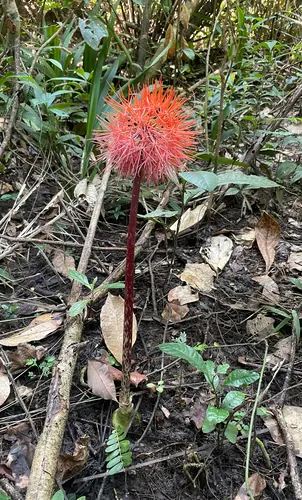
Read the entryScadoxus multiflorus (Martyn) Raf.
Historical record: oedemas
Reported uses, not demonstrated
Toxicity is reported in SEPASAL. No home preparation or ingestion.
Read the entryScadoxus puniceus
Reported traditional practices
Reported uses, not demonstrated
Limited ethnobotanical entry: practices are documented; clinical effectiveness is not established by these accounts. SANBI describes the bulb as poisonous and reports deaths after ingestion. Historical uses cannot justify household experimentation.
Read the entryTulbaghia violacea
Reported traditional practices
Reported uses, not demonstrated
Limited ethnobotanical entry: practices are documented; clinical effectiveness is not established by these accounts. The selected sources are not a complete assessment of human toxicity. Absence of a signal in this account is not a guarantee of safety.
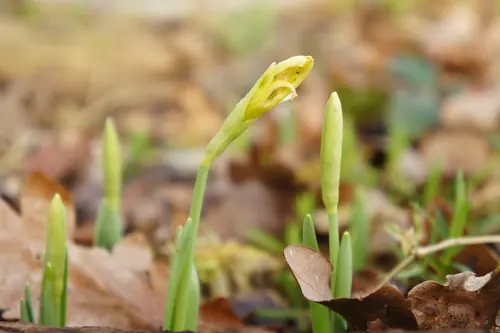
Read the entryNarcissus pseudonarcissus L.
Why this plant appears in the guide
Reported uses, not demonstrated
Poisonous daffodil bulb: risk of confusion with an onion.
Read the entry