Identity & origin
BOTANICAL IDENTITY
The right name is the first step.
Castor — oil: guidance on seed oil, with uses and precautions specific to the documented preparations.
Also known as: No synonyms listed.
This profile concerns pharmaceutical castor oil, not castor beans, which contain toxic ricin. Do not chew or ingest the seeds or make home preparations from them. A photograph cannot certify a plant for consumption.
An illustration is not enough to identify a plant for consumption. Do not forage for a species based solely on this profile.
Uses & evidence
UNDERSTANDING THE USES
Properties & uses.
Occasional constipation
Well-established use of pharmaceutical-grade oil as a short-term laxative for occasional constipation after simpler measures fail.
EMA status applies only to the described preparation and indication, not every form of the plant.
Read the sourceThe traditional uses described are not clinical proof of effectiveness. Evidence for one preparation cannot automatically be applied to another.
Precautions before use
BEFORE ANY USE
Precautions & contraindications.
This guidance does not cover every individual situation. Missing information is not a guarantee of safety.
Contraindications & precautions
- Source-listed contraindicationKnown allergy to the preparation.Source
- Source-listed contraindicationGut obstruction/stenosis/atony, appendicitis, inflammatory colon disease, unexplained abdominal pain or severe dehydration.Source
Medicine interactions
- Possible interactionProlonged misuse: potassium depletion affects cardiac glycosides/antiarrhythmics. Diuretics, corticosteroids and liquorice increase losses; antihistamines reduce laxative action.Source
Other retained warnings · review incomplete
These existing warnings remain relevant to consult. Their exhaustive reassessment is outside this targeted review.
Restrictions and precautions
- Contraindication — Known allergy to the preparation.
- Contraindication — Gut obstruction/stenosis/atony, appendicitis, inflammatory colon disease, unexplained abdominal pain or severe dehydration.
Medicine interactions
- Prolonged misuse: potassium depletion affects cardiac glycosides/antiarrhythmics. Diuretics, corticosteroids and liquorice increase losses; antihistamines reduce laxative action.
Pregnancy, breastfeeding and children
Contraindicated during pregnancy and breastfeeding.
Not recommended below 18 because evidence is insufficient.
“Reported” does not prove causality; “possible” may reflect indirect evidence. “None reported” means none in the cited source, not that all combinations have been studied. Do not stop a prescribed treatment based on this profile.
Adverse effects
- Nausea, vomiting, abdominal pain and severe diarrhea.
Pregnancy & breastfeeding
Contraindicated during pregnancy and breastfeeding.
SourceChildren & adolescents
Not recommended below 18 because evidence is insufficient.
SourceIf symptoms persist, worsen or are unusual, consult a healthcare professional. In an emergency, contact the emergency services.
Forms & how they are used
DOCUMENTED FORMS
One plant, several preparations.
Only forms documented in this profile’s sources are presented.
Pharmaceutical oilSeed oil · Route: oral
Fatty oil obtained by cold pressing, in a medicine.
Please note: No extraction or homemade recipe proposed.
Read the sourceUnderstanding the plant’s actions
EXPLORE THE EVIDENCE
How does the plant act?
Medicinal castor oil is a stimulant laxative whose activity appears after digestion. Intestinal enzymes release ricinoleic acid from triglycerides. This acid alters water and salt exchange and stimulates intestinal movements. The mechanism explains its evacuating effectiveness, but also possible cramps and diarrhoea. Raw seeds and pharmaceutical oil must never be treated as equivalent.
Constituents to know.
Their presence and quantity depend on the plant part and preparation.
- Triglycerides rich in ricinoleic acid
- Following intestinal hydrolysis, ricinoleic acid contributes to the local action; pharmaceutical quality of the oil is essential.Read the reference
Bowel evacuation
The medicinal oil has well-established use for occasional constipation over a short period.
A human study may be positive, negative or inconclusive. Read the findings, preparation and limitations.
Read the referenceSecretions and fluid balance
Reduced net absorption of water and electrolytes promotes bowel movements, but poses a risk of excessive losses if diarrhea occurs.
A human study may be positive, negative or inconclusive. Read the findings, preparation and limitations.
Read the referenceWhat this means for preparation.
A cosmetic bottle must not be repurposed for oral use. The effect on fluid loss explains the attention given to diuretics and other treatments sensitive to potassium.
Studies, findings & limitations
THE RESEARCH
What the research shows.
A laboratory or animal result alone does not demonstrate a benefit in humans. Each result must be read alongside the preparation studied and its limitations.
Action explained, use delimited
A human study may be positive, negative or inconclusive. Read the findings, preparation and limitations.
- Type of research
- EMA report on pharmacological data and clinical trials.
- Preparation concerned
- Ricinus communis oil suitable for medicinal use, oral.
- Observed results
- The results support laxative activity and are consistent with the digestive mechanism.
- Limitations to consider
- This validates neither prolonged use nor systemic benefits attributed to external compresses.
What can we take from this?
Research on childbirth does not make it a home method of induction; pregnancy is among the contraindications to laxative use.
Documentary review dated 09/10/2026. The references remain available to check the context.
Sources & last review
CHECKING REFERENCES
Sources for this profile.
- EMA — Ricini oleum: dossier and documentsAccessed on 09/10/2026
- EMA — monograph: Ricini oleumAccessed on 09/10/2026
- EMA — scientific assessment report: Ricinus communisAccessed on 09/10/2026
- CDC — Ricin: Chemical EmergenciesAccessed on 09/10/2026
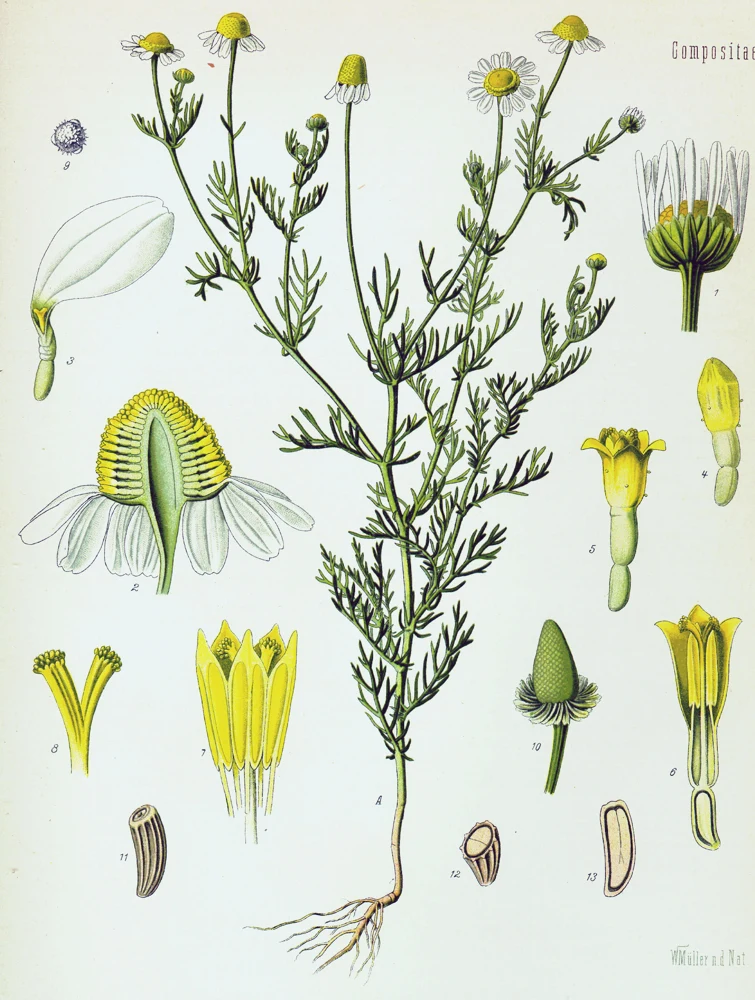
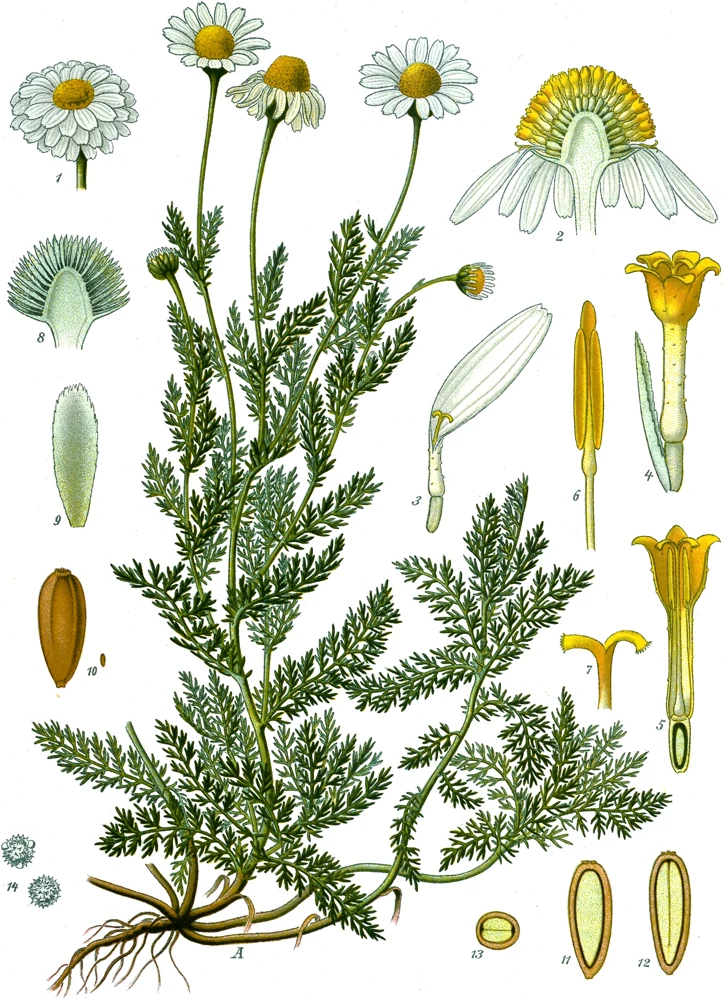
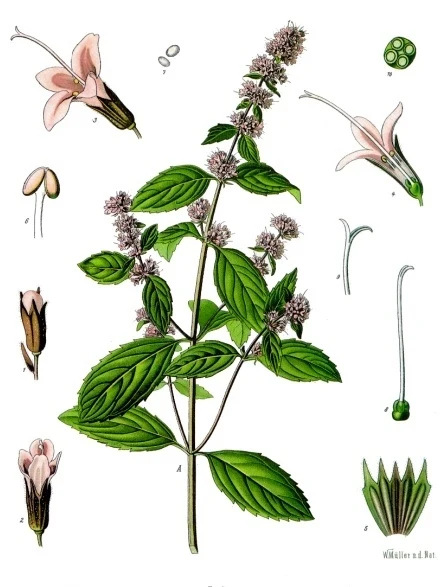
Image: Franz Eugen Köhler · Public domain. View the original image and its licence. Image resized and converted to WebP.