Identity & origin
BOTANICAL IDENTITY
The right name is the first step.
Its traditional use for menstrual bleeding requires regular cycles and prior medical assessment.
Also known as: No synonyms listed.
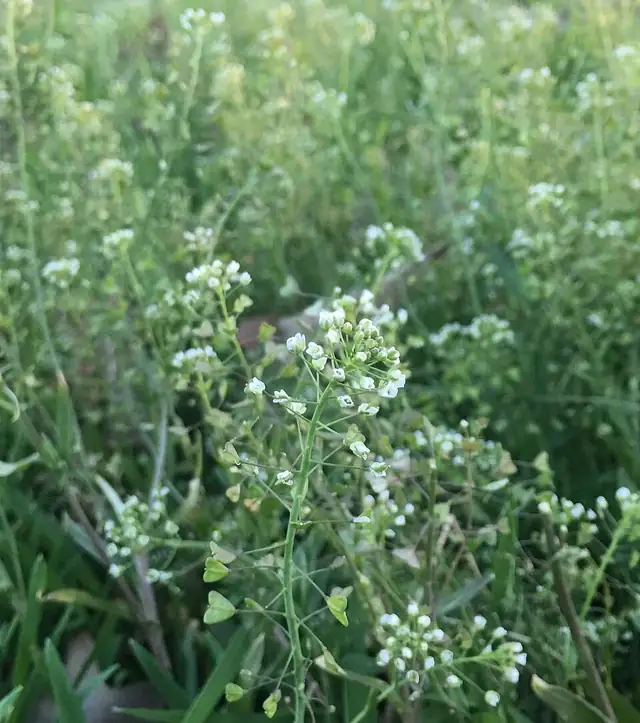
The botanical name, part and preparation must match. A photograph is not enough for identification intended for consumption.
An illustration is not enough to identify a plant for consumption. Do not forage for a species based solely on this profile.
Uses & evidence
UNDERSTANDING THE USES
Properties & uses.
Heavy periods: supervised use
Aerial parts as tea or specified liquid extract: traditional reduction of heavy menstrual bleeding in adult women with regular cycles, after serious causes have been medically excluded. Does not correct anaemia or replace evaluation of bleeding.
Use considered plausible in a traditional-use monograph. That status alone does not demonstrate clinical efficacy.
Read the sourceThe traditional uses described are not clinical proof of effectiveness. Evidence for one preparation cannot automatically be applied to another.
Precautions before use
BEFORE ANY USE
Precautions & contraindications.
This guidance does not cover every individual situation. Missing information is not a guarantee of safety.
Contraindications & precautions
- Source-listed contraindicationAllergy to the substance or preparation.Source
Medicine interactions
- Insufficient dataInteractions are insufficiently documented in the sources re-read. Ask a pharmacist to check the preparation against current medicines.Source
“Reported” does not prove causality; “possible” may reflect indirect evidence. “None reported” means none in the cited source, not that all combinations have been studied. Do not stop a prescribed treatment based on this profile.
Adverse effects
- This entry does not provide an exhaustive list of adverse effects.
Pregnancy & breastfeeding
Insufficient data: medicinal use is not recommended during pregnancy or breastfeeding. This data gap is distinct from an established contraindication.
SourceChildren & adolescents
Medicinal use is not recommended below 18 years because data are insufficient; adult preparations and doses cannot be extrapolated.
SourceIf symptoms persist, worsen or are unusual, consult a healthcare professional. In an emergency, contact the emergency services.
Forms & how they are used
DOCUMENTED FORMS
One plant, several preparations.
Only forms documented in this profile’s sources are presented.
Preparation of aerial partsAerial parts · Route: oral
Only use a product whose package leaflet defines the preparation.
Please note: No recipe or dose is proposed here.
Read the sourceUnderstanding the plant’s actions
EXPLORE THE EVIDENCE
How does the plant act?
Shepherd's purse has a very narrowly defined traditional use for heavy menstrual bleeding in women with regular cycles, following medical assessment. The term “hemostatic” is often more assertive than the available data. The initial report found no direct experimental demonstration of this action; subsequent trials raised problems with extract characterization.
Menstrual bleeding
Traditional recognition does not establish a precise coagulation mechanism or the ability to treat all causes of bleeding.
Use considered plausible in a traditional-use monograph. That status alone does not demonstrate clinical efficacy.
Read the referenceExploratory cellular activities
Constituents or extracts have been studied for inflammation and other functions. These observations alone do not explain a clinical reduction in menstrual bleeding.
Laboratory or animal observation. A human benefit cannot be inferred from this finding alone.
Read the referenceWhat this means for preparation.
Assessment of bleeding takes priority. A study in which the plant supplements a medicine does not mean it replaces it, and a poorly defined extract does not provide evidence for an infusion.
Studies, findings & limitations
THE RESEARCH
What the research shows.
A laboratory or animal result alone does not demonstrate a benefit in humans. Each result must be read alongside the preparation studied and its limitations.
Trial on heavy menstrual bleeding
The references do not establish a benefit. Lack of evidence is not assurance of safety.
- Type of research
- EMA addendum: triple-blind randomized trial in 100 women.
- Preparation concerned
- Hydroalcoholic extract added to mefenamic acid, compared with the control treatment.
- Observed results
- Some changes were reported, but several between-group comparisons were not significant.
- Limitations to consider
- The extract lacked essential characteristics; the study does not demonstrate the effect of the plant used alone.
What can we take from this?
Research on obstetric hemorrhage never constitutes a home use. No hormone-regulating action or correction of anemia is established by this profile.
Documentary review dated 09/10/2026. The references remain available to check the context.
Sources & last review
CHECKING REFERENCES
Sources for this profile.
- EMA — Bursae pastoris herba: official dossierAccessed on 09/10/2026
- ANSES — precautions for plants in food supplements, June 2023 summaryAccessed on 09/10/2026
- EMA — addendum to the assessment report on Capsella bursa-pastoris (L.) Medik. (Aerial parts)Accessed on 09/10/2026
- EMA — Capsella bursa-pastoris, rapport final §5.5–6Accessed on 09/10/2026
Image: SaltySemanticSchmuck · CC BY-SA 4.0. View the original image and its licence. Image resized and converted to WebP.